Choosing the right Aluminum Front Door in 2026 requires more than comparing colors and prices. A modern entrance must balance security, thermal performance, weather resistance, appearance, and long-term maintenance. The best choice depends on your climate, wall structure, daily use, and renovation budget. A coastal home may need stronger corrosion protection, while a cold-region property needs an effective thermal break and well-sealed glazing.
This guide examines the details that experienced installers and homeowners often check first. We will compare frame construction, door thickness, hinges, locking systems, glass options, surface finishes, drainage, and installation quality. Look for documented performance data, clear warranty terms, and suppliers who explain their testing methods. A beautiful door can still perform poorly if the frame twists or the threshold allows water inside. Small details matter.
No door is perfect. A heavier model may feel safer but demand stronger hardware and more careful installation. A large glass panel can brighten a hallway, yet it may reduce privacy and increase heat gain. Even an excellent Aluminum Front Door can fail when measured incorrectly or fitted without proper sealing. That uncomfortable point deserves attention. By weighing real evidence against marketing claims, this article will help you make a practical, informed decision for 2026. Expect useful comparisons, realistic limitations, and a few questions worth asking before you place an order.
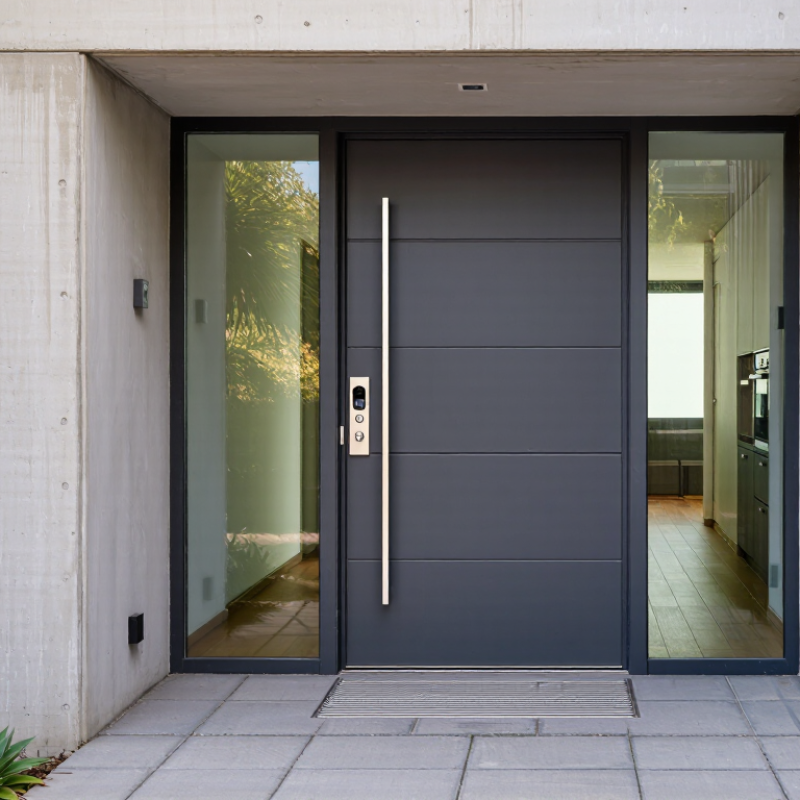
Choosing the best aluminum front door starts with understanding its type. A single hinged door suits compact entrances and everyday family use. Double doors create a wider opening for furniture and busy households. Pivot doors offer a dramatic appearance, but they need careful floor and ceiling alignment. Sliding systems can save space, although they may provide less traditional weather resistance.
Construction matters more than surface color. Look for thermally broken aluminum frames, which separate the inner and outer metal layers. This reduces heat transfer and limits condensation around the frame. A solid insulated core can improve stability, sound control, and indoor comfort. Check the door slab, not only the frame. Some attractive panels feel light because their internal structure is weak.
Glass selection deserves attention. Double glazing is common, while low-emissivity glass can reduce unwanted heat gain. Laminated glass may also improve security and noise reduction. Reliable weather seals should compress evenly around the perimeter. A multi-point lock can distribute pressure along the door edge. I once inspected a beautiful entrance with poor threshold drainage. Rainwater still reached the hallway. Small details matter. Measure the opening, nearby walls, and finished floor before ordering. Local wind, rain, sunlight, and temperature changes should guide the specification. A dark finish may absorb strong heat, and some homes need better ventilation around the frame. No design is perfect. Even experienced installers must question the site conditions.
Core construction has a major influence on the thermal performance of an aluminum front door. This chart compares representative thermal conductivity values for commonly used core or structural materials.
Thermal conductivity is measured in W/m·K. Lower values generally indicate better insulation. Actual door performance also depends on frame design, thermal breaks, glazing, seals, thickness, and installation quality.
Choosing an aluminum front door in 2026 starts with its energy label, not its appearance. The U.S. Department of Energy estimates that windows and doors can account for 25–30% of household heating and cooling energy use. Look for a thermally broken frame, insulated core, and low U-factor certified by the National Fenestration Rating Council. Lower U-factor means less heat transfer. In sunny climates, check the solar heat gain coefficient too.
Security depends on the complete entry system. A strong aluminum slab cannot compensate for a weak strike plate or loose installation. Choose a multi-point lock, reinforced hinges, laminated glass, and a frame anchored into structural material. The 2023 FBI Crime Data Explorer recorded more than one million burglary offenses in the United States, so visible hardware quality matters. Still, laboratory ratings cannot predict every installation mistake.
Weather resistance needs practical testing. Ask for air-leakage, water-penetration, and structural-performance results under recognized FGIA or ASTM procedures. NOAA reported 28 separate billion-dollar weather and climate disasters in the United States during 2023, reminding homeowners that wind-driven rain is not theoretical. Powder coating helps resist corrosion, but coastal salt can still attack neglected surfaces. I once saw a well-rated door fail because its sill drainage was blocked. Ratings help, yet maintenance and installation deserve equal attention.
Choosing an aluminum front door starts with the opening, not the catalogue. Measure the wall depth, threshold, swing clearance, and sun exposure. A slim pivot style looks dramatic, but it needs careful structural planning. For traditional homes, a flush or panelled door may feel more balanced. Select thermally broken aluminum for colder or hotter climates. The U.S. Energy Information Administration reports that space heating used 42% of household energy consumption in 2020, so thermal performance deserves attention.
Finish samples can deceive. View them outdoors, during morning and afternoon light. Powder coating usually offers consistent color, while textured finishes can hide small marks. Ask for an AAMA 2605-rated finish where stronger weather resistance matters. Glass needs equal care. The U.S. Department of Energy states that windows account for about 25–30% of residential heating and cooling energy use. A glazed door can influence comfort, especially on a west-facing entrance. Check the NFRC label for U-factor and solar heat gain coefficient.
Hardware should match daily use, not only appearance. A long pull handle feels natural on a wide door, while a lever may suit limited reach. Choose concealed closers only after testing the door weight. Custom features can include sidelights, privacy glass, mail slots, and integrated lighting. Yet more glass means more cleaning and potential heat gain. I once preferred a large glass panel, then reconsidered after seeing afternoon glare. That hesitation is useful. Ask for full-size samples, written warranties, and installation details before ordering.
Accurate measurements are the foundation of a successful aluminum front door installation. Measure the entryway width at the top, middle, and bottom. Record the smallest measurement. Do the same for height, checking both sides and the center. Old openings are rarely perfect. They may lean, twist, or contain hidden plaster layers. Use a steel tape, a long level, and a straightedge for dependable results. Mark every measurement clearly.
Check the wall depth before ordering. Measure from the interior finish to the exterior surface, including trim and cladding. Confirm the rough opening allows space for shims, insulation, and frame adjustment. A tight fit can cause pressure and poor operation.
Allow enough clearance for the threshold, floor covering, and drainage path. Test the door swing against nearby walls, stairs, furniture, and lighting.
Installation requirements deserve equal attention. Inspect the sill for rot, moisture damage, or uneven concrete. Verify that the opening is plumb, level, and square before fitting the frame. Local building rules may require specific safety glass, threshold heights, ventilation, or accessibility details.
An experienced installer should confirm these points before fabrication. Small errors become expensive after the door is made. Measure twice, but do not assume the first reading is correct.
How to Choose the Best Aluminum Front Door in 2026?
Price is only the first measurement. In the United States, installed aluminum entry doors often cost about $1,500 to $4,000, depending on glazing, hardware, and installation. Regional labor can change that figure sharply. Zonda’s 2024 Cost vs. Value Report recorded strong resale returns for entry-door replacement, but its benchmark focused mainly on steel doors. That comparison is useful, not conclusive. Aluminum’s value depends on thermal performance, finish life, and local buyer expectations.
Read the warranty line by line. A ten-year finish warranty may exclude coastal exposure, improper cleaning, or color fading. The frame, hardware, glass, and installation may carry different coverage periods. Look for tested air leakage, water penetration, and structural performance under AAMA or FGIA standards. The U.S. Department of Energy reports that windows account for roughly 25%–30% of residential heating and cooling energy use. A poorly sealed door can weaken the whole entrance system.
Maintenance should be visible and realistic. I would inspect hinges, drains, weatherstripping, and sill height every spring. Rinse salt and grit before they mark the coating. Powder coating usually needs less upkeep than painted surfaces, though scratches still require prompt repair. The mistake is assuming “low maintenance” means “maintenance-free.” Compare the delivered cost, replacement hardware prices, warranty exclusions, and expected service life. Keep every invoice and installation record. These details can matter more than a polished showroom sample.
| Aluminum Door Configuration | Typical Installed Cost (USD, 2026) |
Typical Warranty Coverage | Energy Performance | Maintenance Requirement | Expected Service Life | Estimated 10-Year Ownership Cost | Best Long-Term Value For |
|---|---|---|---|---|---|---|---|
| Basic non-thermal-break aluminum door Insulated panel, standard hardware, limited customization |
$1,500–$3,000 | About 5–10 years for finish or components; coverage varies by part | Low to moderate; more conductive frame and greater condensation risk in cold climates | Wash periodically; inspect seals annually; repainting may be needed sooner in harsh exposure | 15–25 years with proper care | Approximately $2,000–$4,000, excluding major structural repairs | Budget-conscious projects and mild climates |
| Thermally broken aluminum door Polyamide thermal barrier, insulated core, weather-resistant finish |
$2,500–$5,000 | About 10–20 years for frame and finish; hardware and glass often have separate terms | Good; reduced heat transfer and improved comfort compared with non-thermal-break frames | Clean with mild soap; lubricate hardware annually; replace weatherstripping when compressed | 25–35 years | Approximately $3,200–$6,000 | Most residential applications and mixed climates |
| High-performance insulated aluminum door Thermally broken frame, low-emissivity insulated glass, multipoint lock |
$4,000–$8,000 | About 10–25 years, subject to separate frame, glass, finish, and hardware conditions | Very good; commonly selected for improved air sealing, comfort, and lower heat loss | Low; clean surfaces, check drainage paths, and service locking hardware as needed | 30–40 years | Approximately $4,800–$9,000 | Cold, hot, or variable climates where comfort and durability matter |
| Custom oversized or pivot aluminum door Large-format panel, reinforced frame, specialized hardware |
$7,000–$18,000+ | About 5–20 years depending on the custom finish, hinges, lockset, and glass | Moderate to very good; performance depends heavily on size, glass, seals, and installation quality | Inspect alignment and seals at least annually; specialized hardware may require professional adjustment | 25–40 years | Approximately $8,000–$21,000+ | Design-led homes where appearance and opening size justify the premium |
| Coastal or impact-rated aluminum door Reinforced construction, impact-resistant glazing where required |
$4,500–$10,000 | About 10–20 years; confirm corrosion, finish, glass, and impact-test coverage separately | Good; depends on thermal breaks, insulated glass, and certified air/water performance | Rinse salt and debris regularly; inspect coating, fasteners, seals, and drainage openings | 25–40 years when corrosion is controlled | Approximately $5,500–$12,000 | Coastal regions and areas subject to severe wind or flying-debris requirements |
| Energy-efficient aluminum door with certified low U-factor Thermal break, insulated glazing, tested weather sealing |
$3,500–$8,500 | About 10–25 years, with glass seals and hardware commonly covered on separate schedules | Very good; verify the complete door-system U-factor and air-leakage rating rather than glass-only figures | Low; clean, lubricate, and inspect seals annually | 30–40 years | Approximately $4,200–$9,500 | Homeowners prioritizing lower energy waste and stronger resale appeal |
A single hinged door fits compact entrances and everyday family use. Double doors provide a wider opening for furniture. Sliding doors save space, while pivot doors need careful floor and ceiling alignment.
Look for a thermally broken frame and a solid insulated core. Check the door slab, not just the frame. A panel can look substantial but feel surprisingly light.
Double glazing is common, and low-emissivity glass may reduce unwanted heat gain. Laminated glass can help with noise reduction and security. Seals should compress evenly around the door.
Compare the U-factor; a lower value means less heat transfer. In sunny areas, check the solar heat gain coefficient too. A dark finish may absorb more heat.
Consider the full entry system, including a multi-point lock, reinforced hinges, and a firmly anchored frame. Strong hardware helps. Installation still matters.
Ask for air-leakage, water-penetration, and structural-performance results. Inspect the threshold drainage before ordering. Blocked sill drains can let rain reach the hallway.
A typical U.S. estimate is about $1,500 to $4,000, depending on glazing, hardware, and labor. Regional costs vary. I might be overvaluing the showroom sample.
Review separate coverage for the frame, glass, hardware, finish, and installation. Each spring, inspect hinges, drains, and weatherstripping. Rinse away salt and grit; low maintenance does not mean maintenance-free. Keep installation records and invoices.
Choosing the best Aluminum Front Door in 2026 starts with understanding the available door types and how their core construction affects strength, insulation, and everyday performance. Compare energy efficiency, security features, durability, and resistance to rain, wind, and temperature changes to find a door suited to your climate and household needs. Then consider how the style, finish, glazing, hardware, and optional features will complement your home while balancing appearance with privacy and practical use.
Before making a purchase, measure the entryway carefully and confirm that the door’s dimensions and installation requirements match the opening. Compare the full costs of different options, including installation, and review warranty coverage and maintenance needs. Considering these factors together can help you choose a door that offers lasting value, dependable performance, and a welcoming entrance for years to come.
