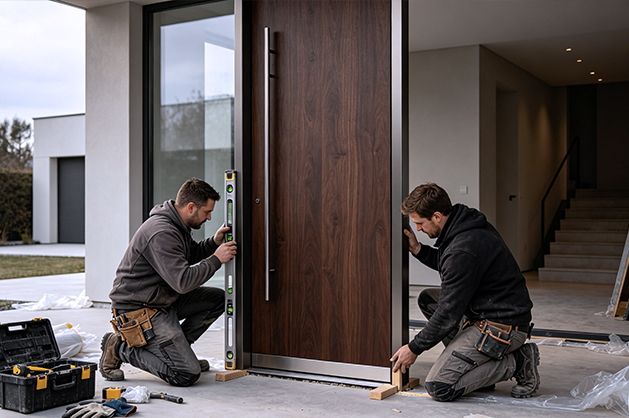
Technical Sourcing Masterclass: Engineering Principles of Architectural Large Pivot Doors
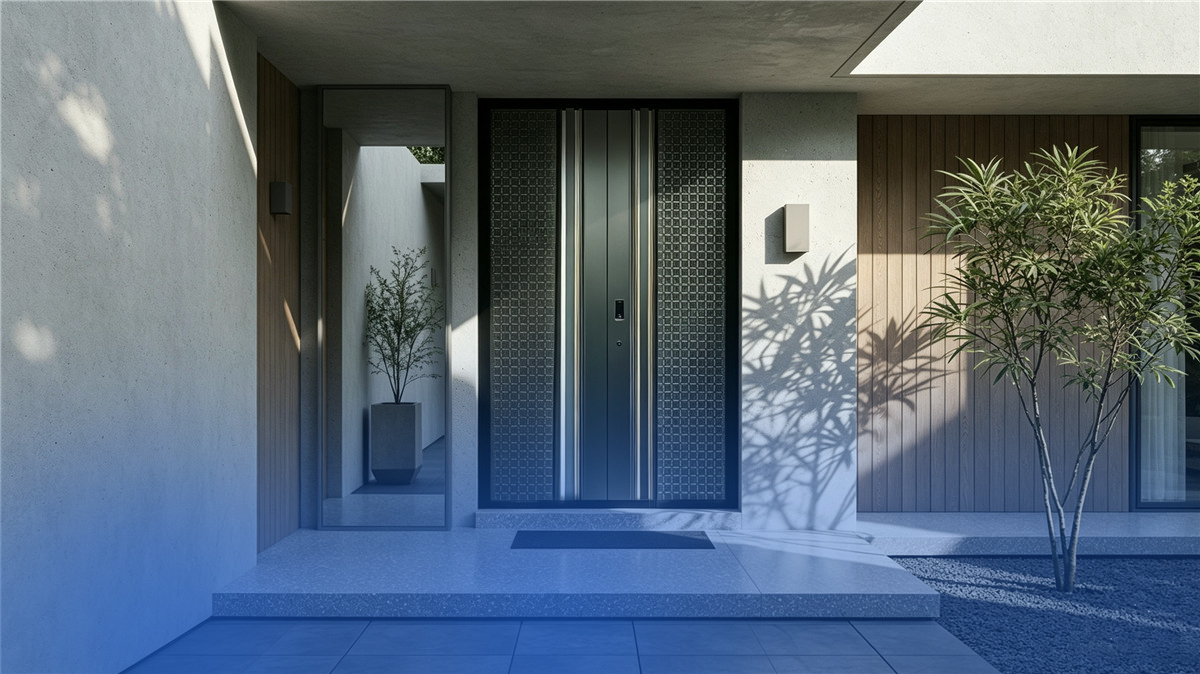
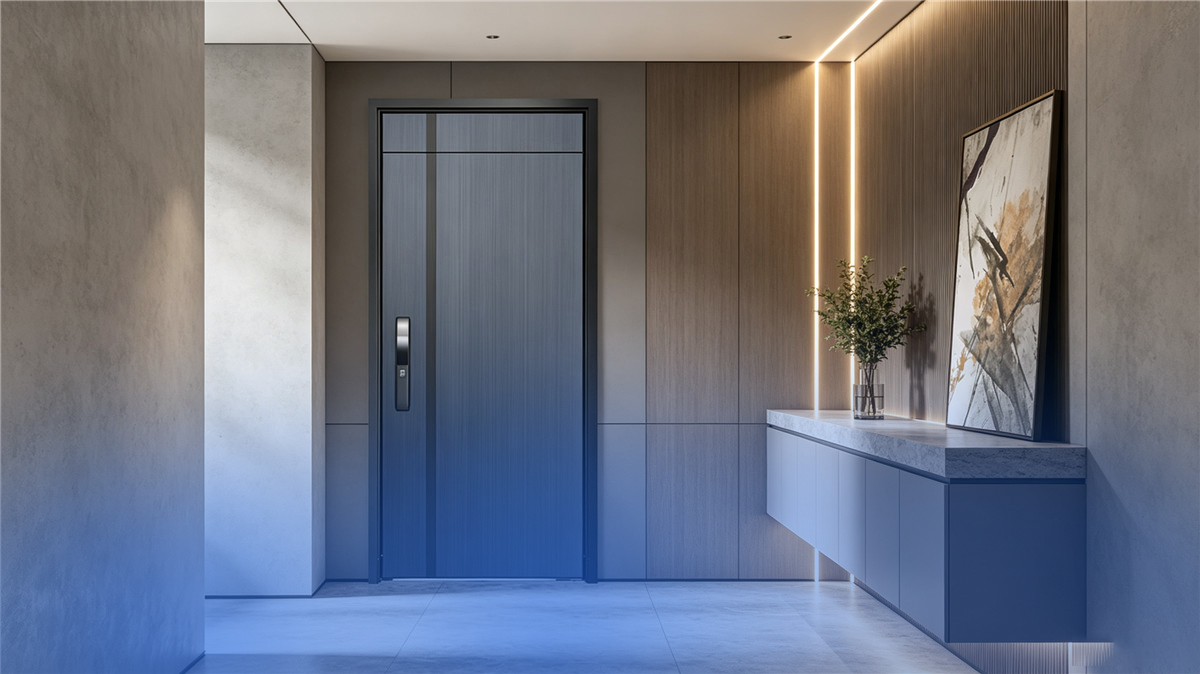
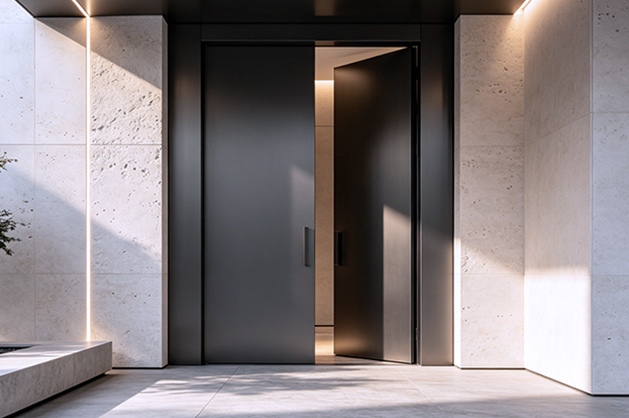
A Large Pivot Door represents one of the most striking architectural statements in modern building design. Unlike traditional side-hinged doors supported by frame-mounted butt hinges, a pivot door rotates on a single vertical axis anchored by floor and transom pivot hardware. This structural mechanism allows architects to specify oversized door leaves exceeding 3 meters in width and 6 meters in height, creating an expansive, weightless opening experience.
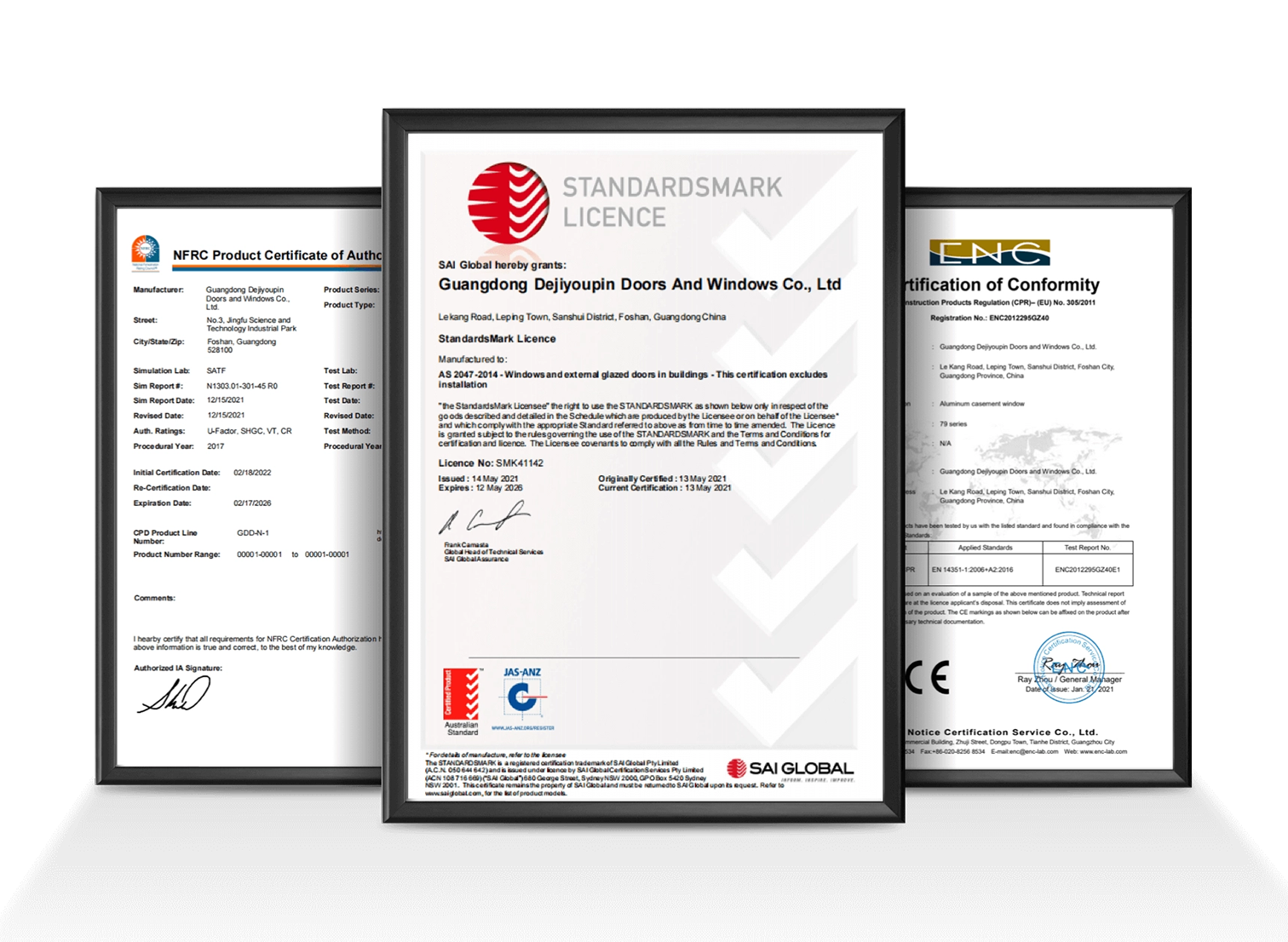
However, engineering an oversized pivot door involves severe physical challenges—specifically regarding structural deflection under wind load, perimeter air and water tightness, and vertical dead-weight distribution. As a primary manufacturer based in Foshan, China, Guangdong Derki Doors & Windows Technology Co., Ltd. has engineered advanced system solutions to resolve these critical engineering pain points.
1. Pivot Axis Mechanics & Subframe Load Calculation
The core structural advantage of a Large Pivot Door lies in its floor-concealed hydraulic pivot hinge. By moving the pivot axis inward (typically 150mm to 500mm from the frame jamb), the weight of the door leaf is transferred directly down into the concrete foundation rather than hanging off the vertical door frame. Our engineering team designs pivot assemblies capable of supporting static loads from 400 kg up to 1,000 kg.
- Deflection Limit Compliance: Under high wind loads, oversized door leaves tend to bow. Guangdong Derki Doors & Windows Technology Co., Ltd. utilizes high-tensile 6063-T6 aluminum extrusion profiles with an inner wall thickness of 3.0mm to 4.0mm, ensuring deflection remains within $L/240$ structural safety thresholds.
- Hydraulic Soft-Closing & Hold-Open: Integrated floor closers feature adjustable dual-stage closing speeds, latching action, and optional 90° or 105° hold-open positions.
2. Overcoming Weather Sealing & Water Infiltration Challenges
Historically, the primary technical limitation of exterior pivot doors was poor weather sealing at the top transom and bottom threshold. Because a pivot door leaf swings both inward and outward along its axis, traditional overlap rebate seals cannot be used continuously across the full width.
Guangdong Derki Doors & Windows Technology Co., Ltd. addresses this through a proprietary dual-stage active sealing system:
- Drop-Down Automatic Bottom Weather Seals: When the door leaf closes, an internal mechanical actuator releases a heavy-duty neoprene bottom seal flush against the floor threshold, completely blocking wind driven rain and draft.
- Dual-Durometer EPDM Gaskets: Surrounding the vertical jambs, continuous multi-lip EPDM seals create an airtight compression chamber tested to AS2047 standards (Air Infiltrations < 0.5 L/s·m²).
3. Thermal Isolation & Passive House Energy Performance
Modern commercial and residential energy codes mandate low thermal conductivity ($U$-factor). Large Pivot Doors constructed by Guangdong Derki Doors & Windows Technology Co., Ltd. utilize multi-chambered thermal break profile technology separated by 24mm to 34mm high-grade Polyamide (PA66) glass-fiber reinforced insulation strips. Combined with Low-E argon-filled double or triple safety glazing, our large pivot doors achieve overall thermal ratings down to $1.2 \text{ W/m}^2\text{K}$, preventing condensation and reducing HVAC power consumption in extreme hot or cold climates.


 Core Flagship