Choosing an Aluminium Entrance Door is more than selecting an attractive front panel. It affects security, comfort, energy use, and the first impression of your home. A reliable choice should suit your building, climate, and daily routine.
Begin by examining the door’s construction, not only its colour or price. Look for a thermally broken frame, insulated glazing, strong hinges, and a dependable multi-point locking system. In coastal areas, powder coating quality and corrosion resistance deserve extra attention. A low threshold may improve accessibility, but it must still manage rainwater effectively.
Measure the opening carefully. Small errors can create drafts, alignment problems, or expensive installation changes. Ask the supplier about tested U-values, weather performance, warranty coverage, and maintenance requirements. These details reveal more than polished showroom language. An experienced installer should also explain how the frame connects to the wall, because poor fitting can weaken an excellent product.
No door is perfect.
A darker finish may look elegant, yet it can absorb more heat in strong sunlight. Large glass panels can brighten an entrance, but they may reduce privacy or increase heat gain. I have found that homeowners sometimes focus on appearance first and discover practical issues later. That mistake is understandable, but avoidable. Compare samples in natural light, inspect the locking action, and imagine opening the door with wet hands or full shopping bags. The right Aluminium Entrance Door should feel secure, comfortable, and quietly dependable every day.
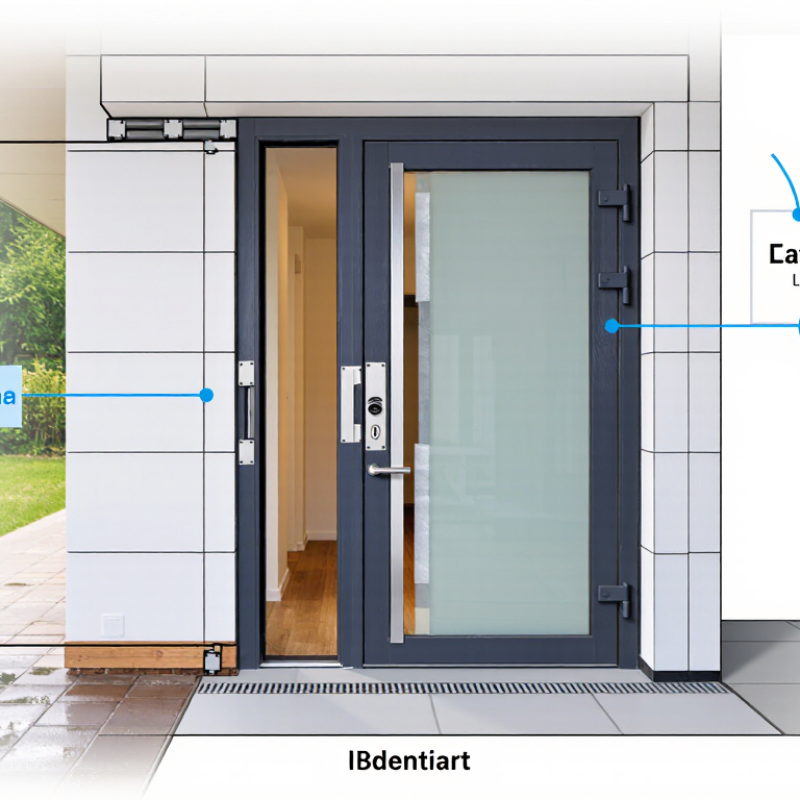
Understanding Aluminium Entrance Door Types and Construction
Choosing an aluminium entrance door starts with its movement, not its finish. A hinged door suits compact porches and offers a familiar closing action. Double-leaf designs create a wider opening for furniture or busy family entrances. Sliding doors save swing space, but they need a clean, accurately level track. Pivot doors feel dramatic, although their hardware and clearances demand careful planning. The best type depends on daily traffic, wind exposure, and available wall space.
Construction matters more than a glossy sample. Look for thermally broken aluminium profiles, where an insulating strip reduces heat transfer through the frame. Ask about profile depth, corner joints, drainage paths, and compression seals. Check the drainage. Low-threshold options improve access, but they may require better drainage detailing. Glazing also changes performance. Double or triple insulated glass can improve comfort, while laminated glass adds useful impact resistance. Hardware should match the door’s weight and frequency of use.
In site inspections, I check the frame with a level before judging the door. A strong slab can still perform poorly if the opening is twisted. I once saw a well-specified entrance door leak because the threshold was fitted without a proper fall. That mistake was small, but expensive. Coastal homes need corrosion-resistant hardware and disciplined cleaning. I also prefer written values for thermal performance, air leakage, water resistance, and wind load. Vague promises are not enough. Even a good specification deserves a second look.
Assessing Your Entrance Requirements and Property Conditions
Choosing the right aluminium entrance door starts with your property, not a catalogue image. Consider how the entrance is used each day. A busy family home may need a wide opening, durable hinges, and easy cleaning. Measure the opening carefully, including the frame, threshold, wall thickness, and available clearance. Check whether furniture or a nearby path could restrict the door swing.
Property conditions matter just as much. Inspect the surrounding brickwork for cracks, damp patches, or uneven surfaces. An attractive door will not correct a weak or poorly prepared opening. South-facing entrances may receive strong sunlight, while exposed coastal homes face wind and salt-laden air. Thermal performance, weather seals, drainage, and glazing should match these conditions. I have seen homeowners focus on colour first, then discover that the threshold needed redesigning. That mistake is expensive and avoidable.
Tips: Ask an experienced installer to survey the entrance before ordering. Confirm the required security features, accessible threshold height, opening direction, and maintenance needs. Compare performance details, not just appearance. If the building has moved slightly over time, allow for adjustment and investigate the cause. A perfect fit on paper may still need careful site judgement. Local construction requirements should also be checked by a qualified professional, because assumptions can create problems later.
Comparing Thermal Performance, Security, and Weather Resistance
How to Choose the Right Aluminium Entrance Door?
Choosing an aluminium entrance door means comparing thermal performance, security, and weather resistance. Aluminium frames are strong and slim, but metal transfers heat quickly without a thermal break. Look for insulated cores, quality seals, and tested U-values. A lower U-value usually means less heat loss, although installation can change real results. In colder homes, I have noticed draughts around the frame matter more than the glass specification. That detail is easy to miss.
Security should be assessed as a complete system, not a lock alone. Choose multi-point locking, reinforced hinges, laminated or toughened glazing, and a frame fixed into solid masonry. Ask for independent test evidence and clear resistance ratings. A door may feel heavy, yet poor alignment can weaken its performance. Check whether keys, cylinders, and replacement parts remain available. I once inspected a well-built entrance where a loose threshold reduced both security and comfort.
Tips: Visit the doorway during rain and wind. Check for water marks, uneven gaps, and a stiff handle. Weather resistance depends on drainage channels, compression seals, threshold design, and correct fitting. Coastal or exposed locations need corrosion-resistant finishes and regular inspections. Do not trust appearance alone. Request test data for air leakage, water tightness, and wind resistance. A small fitting error can become a large maintenance problem. Reconsider the cheapest quote if sealing and adjustment are excluded.
Selecting Suitable Designs, Glazing, Hardware, and Finishes
How to Choose the Right Aluminium Entrance Door?
Selecting Suitable Designs, Glazing, Hardware, and Finishes
A suitable design should match the building’s proportions, not only current fashion. Slim frames create a lighter appearance and allow more daylight indoors. Wider profiles may offer improved strength for large or frequently used entrances. Measure twice. Check the opening, threshold height, wall condition, and direction of door swing before ordering. A qualified installer should verify these details on site.
Glazing affects comfort, privacy, and security. Double glazing can reduce heat loss, while low-emissivity glass helps control indoor temperatures. For exposed entrances, laminated glass offers useful protection because it tends to remain bonded after impact. Obscure glass can soften views without making the hallway feel dark. Clear glass looks welcoming, but fingerprints and evening visibility may become annoying. No option is perfect.
Hardware deserves equal attention. Choose hinges rated for the door’s weight and a multipoint locking system suited to the frame. A low threshold improves access, but it must still manage rainwater correctly. Finishes should suit nearby windows, walls, and paving. Powder-coated surfaces usually provide durable colour, although darker shades can show dust and heat more clearly. Request sample swatches in daylight. Small colour differences can be surprisingly obvious. Keep it practical. Maintenance access, drainage, replacement parts, and the installer’s technical documentation matter as much as appearance. A careful supplier should explain performance ratings clearly, rather than relying on attractive photographs.
Checking Installation Standards, Maintenance Needs, and Long-Term Value
Choosing an aluminium entrance door requires more than comparing finishes and prices. Installation quality often determines whether the door performs well after several winters. The opening should be checked for accurate width, height, level, and squareness. The frame must be firmly fixed to the surrounding structure, with suitable spacing between fixings. A small error here can cause rubbing, draughts, or uneven locking.
Pay close attention to the threshold. It should manage rainwater effectively and connect correctly with the floor drainage design. Weather seals need continuous contact, while hinges and locks should operate without force. Safety glazing, ventilation, thermal performance, and fire requirements may also apply under local building regulations. Ask the installer for product instructions, compliance documents, and a clear handover checklist. This is not excessive paperwork. It helps resolve disputes later.
Maintenance is usually simple, but it is not optional. Clean the frame with mild soapy water, clear drainage channels, and inspect seals twice a year. Moving parts may need an approved lubricant, not household oil. Check for loose handles, failed gaskets, or moisture marks around the threshold. I have seen attractive doors age badly because tiny drainage holes were ignored. A door can look perfect on handover.
Long-term value depends on repairability, energy performance, corrosion resistance, and spare-part availability. A cheaper door may cost more if seals, hardware, or glass are difficult to replace. Review the warranty conditions carefully. Consider installation, maintenance, and future repairs as one cost, not separate decisions.
How to Choose the Right Aluminium Entrance Door?
Installation Standards, Maintenance Needs, and Long-Term Value
This planning chart compares the practical importance of key selection factors on a 100-point scale. Correct installation, effective weather sealing, routine hardware care, and durable materials all contribute to reliable performance and lower long-term ownership costs. Always confirm local building regulations and the supplier’s maintenance instructions before installation.
FAQS
Look for an insulated core, thermal break, quality seals, and a tested U-value. A lower U-value usually means less heat loss. Check the frame carefully. Draughts around the frame can matter more than the glass specification.
Assess the complete system, not only the lock. Choose multipoint locking, reinforced hinges, and laminated or toughened glazing. The frame should be fixed into solid masonry. Ask for independent test evidence and clear resistance ratings.
Poor alignment can weaken security and cause draughts. A loose threshold may reduce comfort and protection. The installer should check the opening, wall condition, threshold height, and door swing. Small errors become expensive later.
Request test data for air leakage, water tightness, and wind resistance. Inspect drainage channels, compression seals, and threshold design. During rain, look for water marks and uneven gaps. Looks can mislead.
Match the design to the building’s proportions, not only current fashion. Slim frames allow more daylight and create a lighter appearance. Wider profiles may suit large or frequently used entrances. Measure twice.
Double glazing can reduce heat loss. Low-emissivity glass helps control indoor temperatures. Laminated glass offers added protection after impact. Obscure glass improves privacy while allowing daylight. Clear glass feels welcoming, but fingerprints may become annoying.
Choose hinges rated for the door’s weight and compatible multipoint locking. A low threshold improves access, but it must drain rainwater properly. Confirm that keys, cylinders, and replacement parts remain available. Hardware is easy to underestimate.
Request finish samples in daylight and compare them with nearby windows, walls, and paving. Powder-coated surfaces usually keep their colour well. Darker shades can show dust and heat more clearly. Coastal locations need corrosion-resistant finishes and regular inspections. Reconsider the cheapest quote if sealing, adjustment, and maintenance access are excluded.
Conclusion
Choosing the right Aluminium Entrance Door begins with understanding the available types, frame construction, and opening configurations. Consider your property’s structure, entrance dimensions, local climate, daily usage, and desired level of accessibility before making a decision. A well-suited door should provide dependable thermal insulation, strong security, effective weather resistance, and comfortable operation throughout the year.
Design should also match the character of the building while meeting practical needs. Review glazing options, door hardware, colours, surface finishes, and threshold details carefully. Quality installation is equally important, so confirm that the installer follows appropriate fitting and sealing standards. Finally, compare maintenance requirements, expected durability, energy performance, and overall cost rather than focusing only on the initial price. The best Aluminium Entrance Door will combine reliable construction, attractive appearance, long-term performance, and value for the specific property.