An Entry Door is the complete exterior doorway system, not just the visible slab. It typically includes the frame, hinges, threshold, weatherstripping, lockset, and glazing, if present. Each part affects security, comfort, durability, and installation quality. A beautiful door can still leak air if its threshold or frame is poorly fitted. Details matter.
Choosing the “best” type depends on climate, maintenance preferences, budget, and the home’s design. Steel doors are often practical and cost-conscious; fiberglass resists moisture and can imitate wood grain; solid wood offers natural character but needs more upkeep. No material wins in every house. The U.S. Department of Energy recommends checking a door’s energy-performance ratings and proper installation, rather than judging efficiency by material alone. For a useful market perspective, Zonda’s 2024 Cost vs. Value report estimated that a steel entry-door replacement recouped 188.1% of its project cost at resale. That is a national estimate, not a promise of profit. Local labor, product prices, and buyer preferences can change the result. The figure is useful, but easy to overread.
This guide explains what an Entry Door includes and compares common options through practical trade-offs. It also considers insulation, security features, upkeep, and appearance. A careful choice starts with the opening itself: measure the frame, check exposure to rain and sun, and decide which compromises you can live with. The answer may be less glamorous than expected.
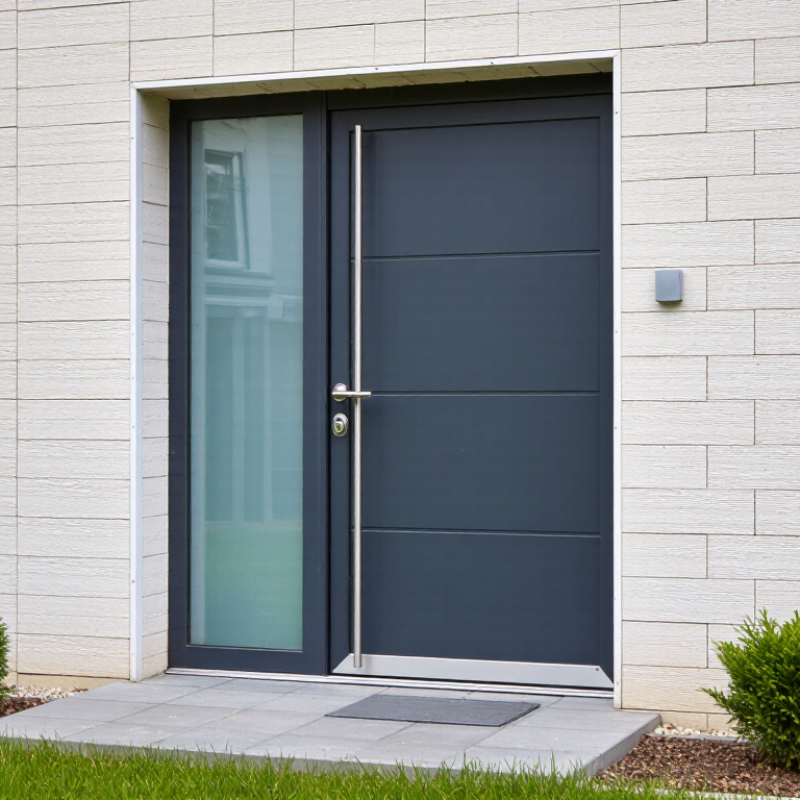
What Is an Entry Door and What Does It Do?
An entry door is the main door between a home and the outdoors. It gives people a clear way in and out, while helping separate indoor spaces from wind, rain, noise, and unwanted access. It also shapes a visitor’s first impression, but appearance is only part of its job.
A typical entry door includes a door slab, frame, hinges, handle, and lock. The frame must sit squarely, or the door may stick or leave uneven gaps. Weatherstripping around the edges and a tight-fitting threshold help limit drafts and water. Small details matter. On a cold day, a thin strip of light beneath the door can signal a poor seal.
Entry doors may be made from wood, steel, fiberglass, or other materials, and each brings trade-offs. Wood can feel warm and substantial, but often needs more upkeep. Steel is sturdy, though dents can be difficult to hide. Fiberglass can resist moisture, yet its quality varies. No door solves every problem. A well-fitted door with sound hardware may perform better than an impressive-looking slab installed carelessly. When choosing one, consider the local weather, daily use, glazing, maintenance, and the condition of the existing frame.
What Are the Main Parts of an Entry Door?
An entry door is more than the panel you see from the street. Its parts work together to control access, limit drafts, and help the door swing smoothly. The door slab is the movable panel, often built with a solid or insulated core. Around it sits the frame, including the side jambs and head jamb. Hinges connect the slab to the frame. Check that they sit firmly and that the door does not drag along the floor. Small gaps matter.
At the bottom, the sill or threshold bridges the doorway and helps keep rain and air outside. Weatherstripping lines the frame or threshold, compressing when the door closes. Over time, it can flatten or pull loose, so a quick visual check is useful. The lockset includes the handle and locking hardware; its fit should let the latch meet the strike plate without forcing the door. That detail is easy to miss. Casing covers the joint between the frame and wall, while optional glass panels bring in daylight. Glass can brighten a dim entry, though it may reduce privacy. Each part has a job, but installation and upkeep affect how well the whole assembly performs. A door may look sound and still leak air at one worn seal.
What Types of Entry Doors Are Available?
Entry doors come in several materials, and each handles weather, upkeep, and daily use differently. Solid wood offers natural grain and can be repaired, but it may swell or fade when exposed to moisture and strong sun. Fiberglass resists warping and usually needs little maintenance. It can also imitate wood, though its finish may not feel quite the same up close. Steel doors are sturdy and often provide good insulation, but scratches can expose metal to rust. Details matter.
Glass-panel doors bring daylight into a dim hallway. Choose insulated, privacy-rated glass if the entrance faces a busy walkway. Some doors combine materials, such as a wood frame with glass inserts. That can balance appearance and light, but more components may mean more seals to inspect. There is no perfect choice for every home.
Tips: Check the door’s energy rating, frame fit, and weatherstripping—not just its surface material. In a rainy climate, inspect the threshold after storms; even a quality door can leak if installed poorly. Measure the opening carefully, and consider how much maintenance you will realistically do. I might favor fiberglass for low upkeep, but the right answer shifts with the home’s style, exposure, and budget.
What Is an Entry Door and Which Type Is Best? — Types of Entry Doors Available
| Door Type |
Typical Construction |
Main Advantages |
Potential Drawbacks |
Best Suited For |
Maintenance Considerations |
| Fiberglass |
Molded fiberglass skins over an insulated core; available in smooth or wood-grain finishes. |
Resists rust and rot, offers good insulation potential, and can be finished to resemble wood. |
Can cost more than some basic steel options; finish and performance vary by construction and glazing. |
Homeowners seeking a low-maintenance door with a balance of insulation, durability, and design flexibility. |
Clean periodically and inspect the finish, seals, and hardware. Follow the manufacturer’s instructions for repainting or refinishing. |
| Steel |
Steel exterior skins, commonly surrounding an insulated core. |
Often provides good value, a rigid feel, and useful insulation when properly constructed and installed. |
The surface can dent; damaged finishes or exposed edges may be vulnerable to corrosion. |
Budget-conscious buyers who want a sturdy, insulated door and do not need a wood appearance. |
Touch up scratches or chips promptly, and check the frame, weatherstripping, and hardware regularly. |
| Solid wood |
Made from solid wood or wood components; species and construction differ by product. |
Offers a natural appearance and can be stained, painted, or repaired; many styles are available. |
Usually needs more protection from moisture and sunlight, and may be affected by changes in humidity. |
Homes where natural wood character and a traditional appearance are priorities. |
Inspect the finish and seals regularly. Repaint or refinish as needed, especially on exposed surfaces. |
| Aluminum |
Aluminum frame and panels, sometimes with a thermal break and insulated or glazed sections. |
Lightweight and resistant to rust; available in contemporary designs with glass. |
Thermal performance depends on the design, including whether the frame has a thermal break and the type of glazing used. |
Contemporary designs or locations where a lightweight, corrosion-resistant frame is desirable. |
Clean the frame and glass, inspect seals and drainage paths, and maintain moving hardware. |
| Glass-panel entry door |
A door with one or more glazed sections; the frame or surrounding door may be wood, fiberglass, steel, or aluminum. |
Brings daylight into an entry and offers choices such as clear, textured, or privacy glazing. |
Privacy, security, and heat transfer depend on the glazing, panel design, and placement. |
Entries where natural light is important; textured or privacy glazing can help limit visibility. |
Clean the glass and inspect glazing seals, weatherstripping, and hardware. Choose glazing suited to the location and privacy needs. |
Which Materials Are Used for Entry Doors?
Entry doors are commonly made from steel, fiberglass, wood, or aluminum. Each material behaves differently in daily use. Steel doors resist impact and usually have an insulating core, but scratched finishes can expose metal to rust. Fiberglass resists moisture and can imitate wood grain; it is a practical choice for damp, sunny entrances. Wood offers a warm, solid feel, though rain and seasonal movement demand regular care. Aluminum is light and corrosion-resistant, but its thermal performance depends on the frame and insulation.
The National Fenestration Rating Council (NFRC) rates doors by measures such as U-factor, which indicates heat transfer. Compare rated products rather than relying on material labels alone: an insulated steel door may outperform a poorly sealed fiberglass one. Zonda’s 2024 Cost vs. Value report estimated a 188.1% cost recoup for steel entry-door replacement nationally. That is a resale estimate, not a promise of savings or quality. A caveat. I would not choose a door from that figure alone. Check the frame, weatherstripping, glazing, and installation; a visible gap at the threshold can undo much of the door’s benefit.
What Is an Entry Door and Which Type Is Best?
Entry Door Materials: Approximate Thermal Conductivity
An entry door is an exterior door that provides access to a building. Lower thermal conductivity means less heat passes through the material itself. These approximate values are for the materials, not complete door assemblies; insulation cores, glazing, frames, and weather seals also affect energy performance. Fiberglass composite values vary by formulation.
How Do You Choose the Best Entry Door?
Choosing the best entry door starts with the opening, not the catalog.
Measure the frame, wall depth, and threshold carefully; a small mismatch can cause drafts or a door that sticks. Note which way the door should swing, especially near stairs or a narrow hall. Check local climate, too. Rain, strong sun, and freezing temperatures affect materials differently.
Fiberglass doors resist moisture and need little upkeep, while insulated steel can offer solid security at a moderate cost. Wood brings warmth and can be refinished, but it usually needs more protection from dampness and sun. None is perfect. A south-facing door may fade, and even a sturdy slab performs poorly if its frame is poorly installed. Look for a well-sealed perimeter, a durable threshold, and a lock that fits the door’s construction.
Think about daily use. Will groceries pass through easily? Does a glazed panel bring useful daylight, or reduce privacy at night? Compare the door’s insulation rating and ask how the whole assembly will be installed. A careful installer can explain flashing, weatherstripping, and adjustments that keep the latch aligned. I would not choose by appearance alone; that is an easy mistake. Take a photo of the entry and note where drafts or water appear before deciding.
Conclusion
An Entry Door is the main exterior door that connects a home to the outside. It helps provide security, privacy, weather protection, and a welcoming first impression. A typical entry door includes a door slab, frame, hinges, handle or lockset, and often weatherstripping and a threshold. Some designs also include glass panels or sidelights to bring natural light into the entryway.
Entry doors are available in styles such as single, double, glazed, and solid-panel designs, and they are commonly made from wood, steel, fiberglass, or combinations of materials. Each option offers different benefits in appearance, durability, insulation, maintenance, and cost. To choose the best door, consider the local climate, desired level of security, energy efficiency, available space, architectural style, and upkeep requirements. The right choice balances practical performance with a look that suits the home.
