Technical Paper: Modern Exterior Entrance Architecture & Regulatory Compliance
In contemporary architectural design, the building envelope serves as both an aesthetic statement and a critical environmental barrier. As global energy codes become increasingly stringent, selecting CE Certified Exterior Doors is essential to ensuring structural integrity, wind-load resistance, acoustic isolation, and long-term security compliance across international jurisdictions.
This comprehensive engineering whitepaper outlines the structural material shifts, emerging smart integration protocols, and rigorous manufacturing standards defined by European Conformity (CE), AS2047, and ISO 9001 certifications.
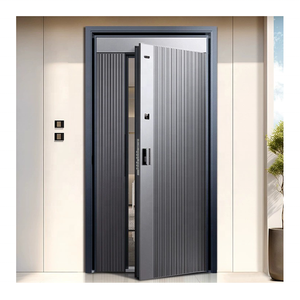
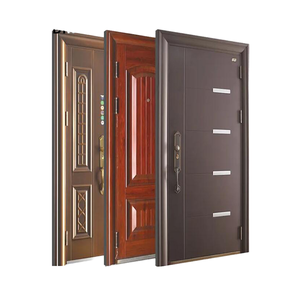
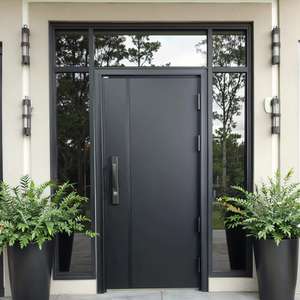
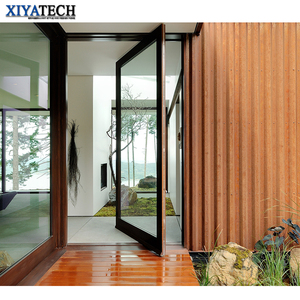
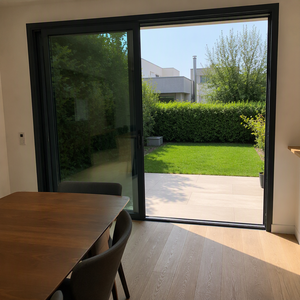
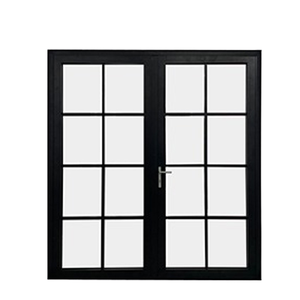
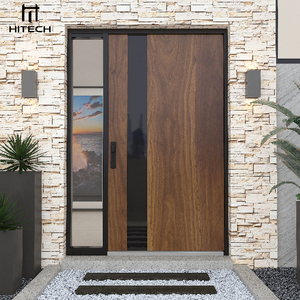
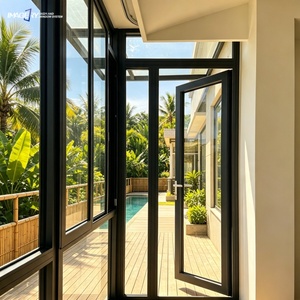
Featured Commercial & Residential Exterior Doors
Explore our CE-marked, engineered exterior door collection customized for high-end residential, hotel lobby, and enterprise infrastructure applications.
Industrial Manufacturing Infrastructure & Rigor
Operating out of Foshan, China—the world’s premier architectural metal manufacturing hub—Guangdong Derki Doors & Windows Technology Co., Ltd. delivers global-grade fenestration engineering.
Material Performance & Regulatory Comparison Matrix
Understanding structural load factors, thermal break mechanisms, and regulatory baseline requirements for commercial procurement.
| Material Core | Structural Capacity | Thermal Transmittance (U-Value) | Corrosion Resistance Class | Target Compliance Standard |
|---|---|---|---|---|
| Thermal-Break Aluminium (T6063-T6) | High Wind-Load (AS2047 N6 Grade) | 1.2 - 1.6 W/m²K | C4/C5 Coastal Powder Coated | CE EN 14351-1, NFRC, AS2047 |
| Cast Aluminium (Solid Relief) | Ultra-High Impact Resistance | 1.5 - 1.8 W/m²K | C5 Industrial / Marine Grade | CE, ISO 9001 Structural Standard |
| SUS 304/316 Stainless Steel | Forced-Entry / Anti-Pry Class 4 | 1.6 - 2.0 W/m²K | Maximum Salt-Spray Resistance | UL 10C Fire-Rated, CE Security EN 1627 |
| Triple-Glazed Tempered Glass | Impact Glass / Hurricane Resistant | 0.8 - 1.1 W/m²K | Non-Corrosive Inert Edge Sealers | CE EN 12150, SGCC Certified |
Future Procurement Trends in Exterior Fenestration
1. Smart Access Integration
Modern exterior doors are shifting from passive locks to active biometric and IoT-enabled smart entry nodes. Concealed motor drives, 3D facial recognition, and multi-protocol integration (Zigbee/Matter) are now standard requirements for luxury residential and commercial developments.
2. Ultra-Low U-Values & Decarbonization
With Net-Zero building mandates taking effect across Europe and North America, exterior door assemblies must utilize multi-chamber polyamide thermal breaks, aerogel insulation fills, and triple Low-E glazing to minimize HVAC thermal losses.
3. Oversized Architectural Pivot Systems
Architectural demand for grand entrances has driven the adoption of heavy-duty floor spring pivot mechanisms. Exterior pivot doors up to 4 meters in height are engineered with internal tension rods to prevent panel warping under extreme ambient temperature shifts.
Why Overseas Buyers Partner with DERKI
Full CAD & BIM Technical Support
Eliminate costly site installation errors. Our in-house engineering team provides comprehensive shop drawings, structural anchor details, and BIM models tailored to your local building code and structural opening constraints prior to fabrication.
Rigorous CE & International Compliance
Every door assembly produced undergoes factory audit controls under ISO 9001 management systems. We provide full test documentation for CE marking (EN 14351-1), AS2047 structural rating, and UL fire-resistant submittals required for city planning sign-offs.
Customization Without Scale Penalties
From fluorocarbon (PVDF) outdoor-grade coatings to customized 3D cast relief patterns and custom stainless steel hardware, our flexible CNC machining lines accommodate custom project-specific orders with short lead times.
Export Crate Engineering & 24/7 Service
Protecting surface finishes during cross-ocean shipping is critical. Our products are packaged with protective film, corner impact guards, and fully enclosed reinforced plywood crates, supported by English-speaking project engineers operating on your timeline.
Frequently Asked Questions (FAQ) for B2B Sourcing
Answers to common structural, regulatory, and logistics queries from global importers, contractors, and architects.
Accelerate Your Project Procurement Schedule
Connect directly with our senior fenestration engineers to receive custom technical estimates, free CAD shop drawings, and factory-direct pricing for your upcoming commercial or luxury residential development.