Featured CE Certified Hurricane Impact Entry Doors
Precision-engineered entrance doors built for extreme wind load resistance, anti-burglary security, thermal efficiency, and refined architectural aesthetics.
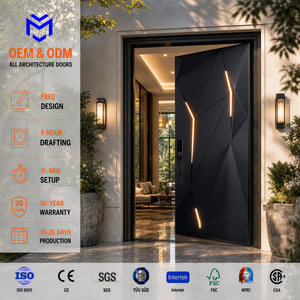 Bulletproof & Impact
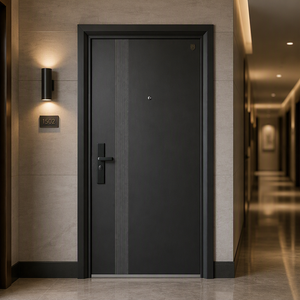 Fire & Security
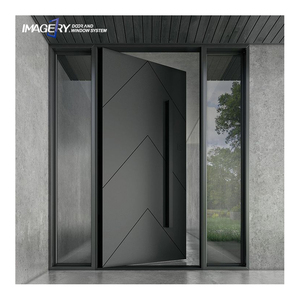 Oversized Pivot
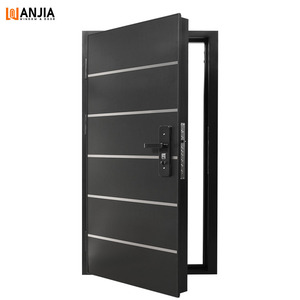 US Certified
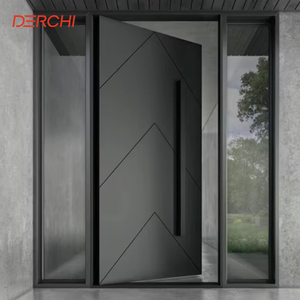 Villa Series
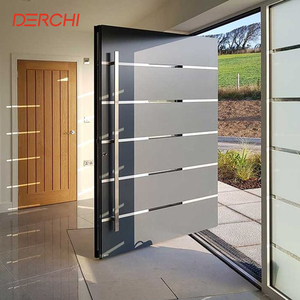 Heat Insulated
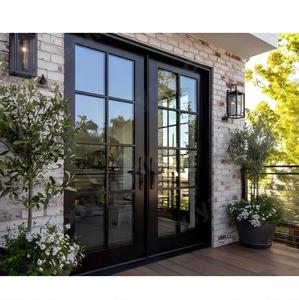 Thermal Break
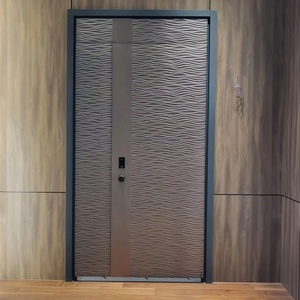 Cast Aluminum
1. Structural Engineering Standards for CE Certified Hurricane-Resistant Front Doors
In coastal environments, high-rise architectural developments, and high-velocity hurricane zones (HVHZ), an entrance door serves as the primary barrier against severe environmental dynamic pressures, violent debris impact, and atmospheric pressure differentials. Selecting a reliable CE Certified hurricane resistant front door supplier requires an in-depth understanding of material science, structural load calculations, and global compliance frameworks.
European standard EN 14351-1 defines mandatory performance criteria for exterior pedestrian doorsets. To achieve full CE marking compliance for hurricane resilience, a front door assembly must undergo rigorous empirical testing across four critical metrics: Wind Load Resistance (EN 12210), Water Tightness (EN 12208), Air Permeability (EN 12207), and Impact Resistance (EN 13049 / ASTM E1886).
Technical Distinction Note: Standard decorative exterior doors often fail during storm events due to structural frame deflection, glazing pull-out, or lock point shearing. Engineered hurricane impact entry doors utilize reinforced 6063-T6 aluminum alloys, multi-point locking systems, and SentryGlas® (SGP) laminated glazing to withstand cyclic wind pressure forces exceeding 5,000 Pascals (DP60 to DP100+).
Anatomy of an Impact-Resistant Structural Door Assembly
The structural durability of a hurricane-resistant front door relies on a synchronized system of heavy-duty materials working under extreme tension and compression:
When verifying vendor compliance, commercial buyers must request factory test reports validating Large Missile Impact (LMI) compliance (such as a 9-lb 2x4 timber shot at 50 feet per second) followed by 9,000 cycles of positive and negative pressure load testing. Guangdong Derki Doors & Windows Technology Co., Ltd. integrates these engineering standards directly into every customized door order.
2. Product Recommendation Architecture & System Selection Matrix
Specifying the ideal entrance door requires matching architectural design requirements with environmental exposure data, fire codes, and structural load calculations. The matrix below outlines primary material archetypes supplied by top-tier manufacturers for global distribution:
| Door System Archetype | Structural Profile / Material | Wind Load & Impact Grade | Thermal U-Value (W/m²K) | Optimal Project Application |
|---|---|---|---|---|
| Heavy-Duty Aluminum Pivot Door | 6063-T6 Extruded Aluminum (3.0mm wall) | EN 12210 Class C5 / DP70 | 1.2 – 1.6 (Thermal Break) | Oversized Luxury Villa Entrances & Modern Showrooms |
| Cast Aluminum Villa Main Entry | Solid High-Density Cast Aluminum Plate | ASTM E1886 Missile Level D / DP90 | 1.4 – 1.8 | Coastal Estates, Security Motifs & High-End Residences |
| Stainless Steel Anti-Theft Door | SUS304 / SUS316 Stainless Armor Steel | Bulletproof / Anti-Pry Class 4 | 1.5 – 2.0 | Commercial Apartments, High-Security Perimeter Entrances |
| Thermally Broken Glass French Door | Polyamide PA66 Thermal Barrier Aluminum | AS2047 N6 Rating / DP60 | 0.9 – 1.3 (Triple Glazed) | Courtyard Access, Coastal Balconies & Daylight Entrances |
Engineering Selection Guidance by Climatic Zone
For coastal regions prone to severe typhoons and high salt mist concentration (such as Florida, the Caribbean, Australia, and Southeast Asia), we advise selecting Qualicoat Class 2 Fluorocarbon (PVDF) powder-coated aluminum alloy or SUS316 marine-grade stainless steel. Standard liquid painting processes deteriorate under intense UV exposure and micro-abrasive windborne sand, leading to premature corrosion and seal leakage.
Furthermore, thermal break technology utilizing glass-fiber reinforced polyamide strips (PA66GF25) effectively isolates external ambient heat while preventing thermal expansion strain inside the door frame. This prevents frame warping—a common cause of latch failure in extreme temperature zones.
3. Future Sourcing Trends in Exterior Door Procurement (2025–2030)
The global building envelope market is undergoing a structural transition driven by stringent energy efficiency mandates, severe climate events, and automated building management systems. Procurement officers and developers must align their supply chains with four decisive industry shifts:
Furthermore, digital procurement workflows demand full Building Information Modeling (BIM) integration. Tier-1 certified suppliers now provide parametric Revit and DWG CAD shop drawings prior to contract execution. This enables structural engineers to verify wind-load stress distribution across the surrounding curtain wall or masonry openings before fabrication begins.
4. Guangdong Derki Doors & Windows Technology Co., Ltd. — Enterprise Capabilities
As a world-class OEM/ODM manufacturer headquartered in Foshan, Guangdong, China, Guangdong Derki Doors & Windows Technology Co., Ltd. (DERKI Entry Door) has specialized in the engineering, fabrication, and global delivery of high-performance architectural door systems for over 25 years. Our vertical manufacturing model guarantees full quality control from raw billet extrusion to final export crating.
Rigorous International Testing & Compliance Arsenal
Our products are engineered and certified to meet the world's most stringent building safety codes, providing immediate clearance for municipal inspections and tender submittals across international jurisdictions:
Our factory houses direct spectral alloy analysis equipment, automated CNC profile machining centers, and an in-house hydraulic wind/water testing tower. Every order undergoes 100% pre-assembly inspection to verify hinge alignment, gasket compression, and electronic lock responsiveness prior to export packaging.
5. Frequently Asked Questions (FAQ) for Global Procurement Officers
Direct engineering and logistical answers to common technical queries raised by importers, architects, and general contractors during the sourcing phase:
Engineered Hurricane Front Door Procurement & CAD Consultation
Partner directly with Guangdong Derki Doors & Windows Technology Co., Ltd. for factory-direct wholesale pricing, custom shop drawings, and certified structural performance.
Contact Us