Featured Energy Efficient Entry Door Collections
Engineered by Guangdong Derki Doors & Windows Technology Co., Ltd. for structural resilience, thermal efficiency, and architectural luxury.
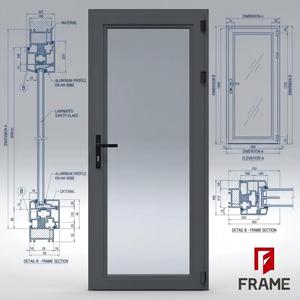
High Quality Aluminium Single/Double Glass Casement Entry Door
- Thermal Transmittance: U-Factor ≤ 0.22
- Multi-cavity insulated profile
- Dual EPDM compression seals
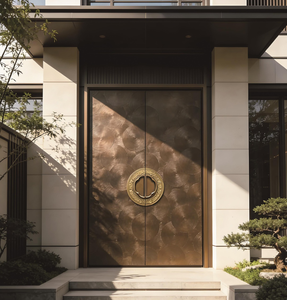
Luxury Contemporary Aluminum Armored Thermal Break Security Door
- Polyamide PA66-GF25 thermal barrier
- Class 4 anti-burglar armored plate
- Sound reduction: Rw up to 42 dB
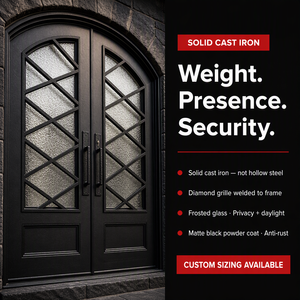
Custom Luxury Minimalist Matte Black Steel Arched Double Entry Door
- Triple insulated frosted Low-E glass
- Precision hand-forged steel grid
- Anti-corrosion electro-galvanized finish
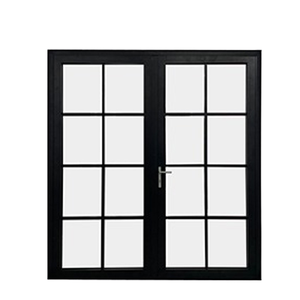
OEM French Double Swing Black Aluminum Grid Villa Entry Doors
- CE & NFRC Energy certified rating
- Fire-rated structural aluminum core
- Argon gas-filled clear safety glass
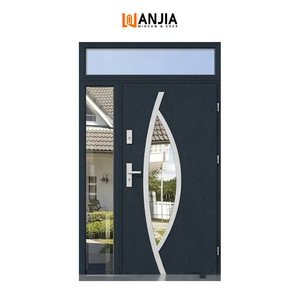
Oversized Charcoal Grey Aluminum Architectural Pivot Entry Door
- Heavy-duty German floor pivot system
- Adjustable hydraulic speed closing
- Air permeability: Class 4 standard
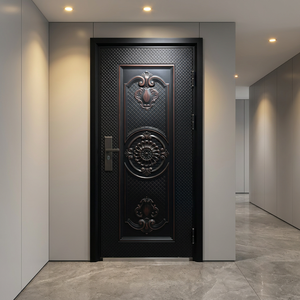
High-End Pivot Armored Security Door with Smart Digital Lock
- Anti-drill & anti-pry steel casing
- Biometric fingerprint & facial access
- Aerogel core thermal insulation
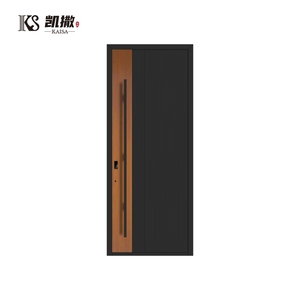
Solid Cast Aluminum & Stainless Steel Villa Main Entrance Door
- 3D cast relief architectural panel
- Fluorocarbon PVDF lifetime coating
- Zero corrosion in coastal salinity
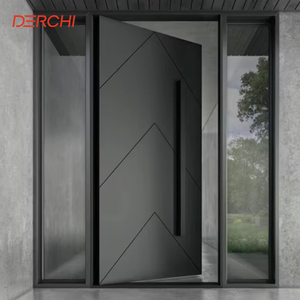
Heavy Duty Hurricane Impact Exterior Aluminum Entrance Door
- AS2047 N6 Cyclonic Wind Rating
- SGP laminated hurricane glass
- Multi-point steel locking bolt network
1. Strategic Procurement Overview: The Shift Toward Thermal Envelope Integrity
In modern architectural engineering, the main entrance of a residential estate or commercial building is no longer viewed merely as a security partition or an aesthetic focal point. Under updating global green building codes—such as the European Union’s Energy Performance of Buildings Directive (EPBD), the United States Energy Star 7.0 standards, and Australia’s National Construction Code (NCC)—the entrance assembly is now evaluated as a critical component of the total building envelope.
As the premier manufacturing hub in Foshan, China, Guangdong Derki Doors & Windows Technology Co., Ltd. leads the industrial transition from conventional single-layer hollow aluminum profiles to high-precision, multi-chambered, thermal-break entrance systems. Modern energy-efficient entry doors manufactured in China incorporate advanced material science, including Polyamide PA66-GF25 reinforced glass fiber thermal break strips, low-emissivity (Low-E) triple glazing, and micro-cellular polyurethane or aerogel core insulation. These technical innovations enable global project developers to achieve ultra-low U-factors while maintaining structural load capacities capable of resisting hurricane-force wind pressure.
Key Performance Indicators (KPIs) in Modern Energy-Efficient Entry Doors
When evaluating top Chinese suppliers and exporters, procurement teams and structural engineers must look beyond visual design and evaluate technical performance metrics:
- Thermal Transmittance (U-Value / U-Factor): Measures the rate of non-solar heat flow through the door assembly. Premium Derki entry doors achieve U-values as low as 0.16 to 0.22 BTU/h·ft²·°F (0.9 to 1.2 W/m²K), matching rigorous Passive House requirements.
- Solar Heat Gain Coefficient (SHGC): Controls the fraction of incident solar radiation admitted through the glazed portions. Optimized Low-E coatings regulate SHGC between 0.20 and 0.35 to drastically reduce summertime HVAC cooling loads in tropical and subtropical regions.
- Air Infiltration & Permeability: Sealed with triple-layer EPDM (Ethylene Propylene Diene Monomer) gasket loops, preventing air leakage under test pressures up to 600 Pa (conforming to EN 12207 Class 4 and ASTM E283).
- Structural & Wind Load Resistance: Rated up to AS2047 N6 standard (over 4500 Pa pressure resistance), making cast aluminum and reinforced alloy doors suitable for high-rise coastal villas and cyclone-prone zones.
Future Procurement Trends in High-Performance Entry Doors
Emerging technologies shaping global B2B procurement strategies for architects, real estate developers, and door importers.
1. Aerogel & Vacuum Insulation Core Infill
Next-generation thermal break profile design is moving away from traditional air cavities. By inserting nano-porous aerogel insulation pads within the polyamide thermal strips, profile thermal conductivity drops below 0.015 W/mK, permitting ultra-slim door profiles with maximum insulation values.
2. Smart Biometric Native Armored Systems
Global demand is surging for entry doors with integrated, concealed smart locks. Automated 5-latch electronic locks featuring 3D facial recognition, palm vein scanning, and smart-home ecosystem integration (Zigbee/Matter/KNX) are built directly into thermal break armored cores during factory assembly.
3. Decarbonized Low-Carbon Aluminum Sourcing
European and North American developers increasingly mandate Environmental Product Declarations (EPD). Derki utilizes recycled aluminum billets processed via renewable hydro-power, reducing embodied carbon emissions by up to 65% compared to primary smelter aluminum.
Engineering Matrix: Entry Door Structural & Thermal Media Comparison
A technical comparison guide for structural engineers and procurement specification officers.
| Material System | Thermal Transmittance (U-Value) | Wind Pressure Rating | Corrosion Resistance | Ideal Architectural Application |
|---|---|---|---|---|
| Thermal Break Aluminum Alloy | 0.18 - 0.24 BTU/h·ft²·°F | Class 4 - AS2047 N6 (4500 Pa) | High (PVDF Powder Coated) | Modern Minimalist Villas, Large Format Pivot Doors |
| Cast Aluminum Solid Panel | 0.22 - 0.28 BTU/h·ft²·°F | Super Heavy Duty (> 5000 Pa) | Outstanding (Zero Rust) | Luxury Estate Gates, Classical High-Security Mansions |
| Stainless Steel Armored Structure | 0.24 - 0.30 BTU/h·ft²·°F | High Impact / Anti-Burglar RC4 | Exceptional (SUS316 Grade) | Coastal High-Humidity Resorts, High-Security Residential |
| Low-E Argon Glazed Slim Frame | 0.16 - 0.20 BTU/h·ft²·°F | Class 3 - 4 (3000 - 3800 Pa) | High (Anodized Electrocoat) | Hotel Lobbies, Daylight-Oriented Commercial Entrances |
2. Product Development & Manufacturing Evolution at DERKI
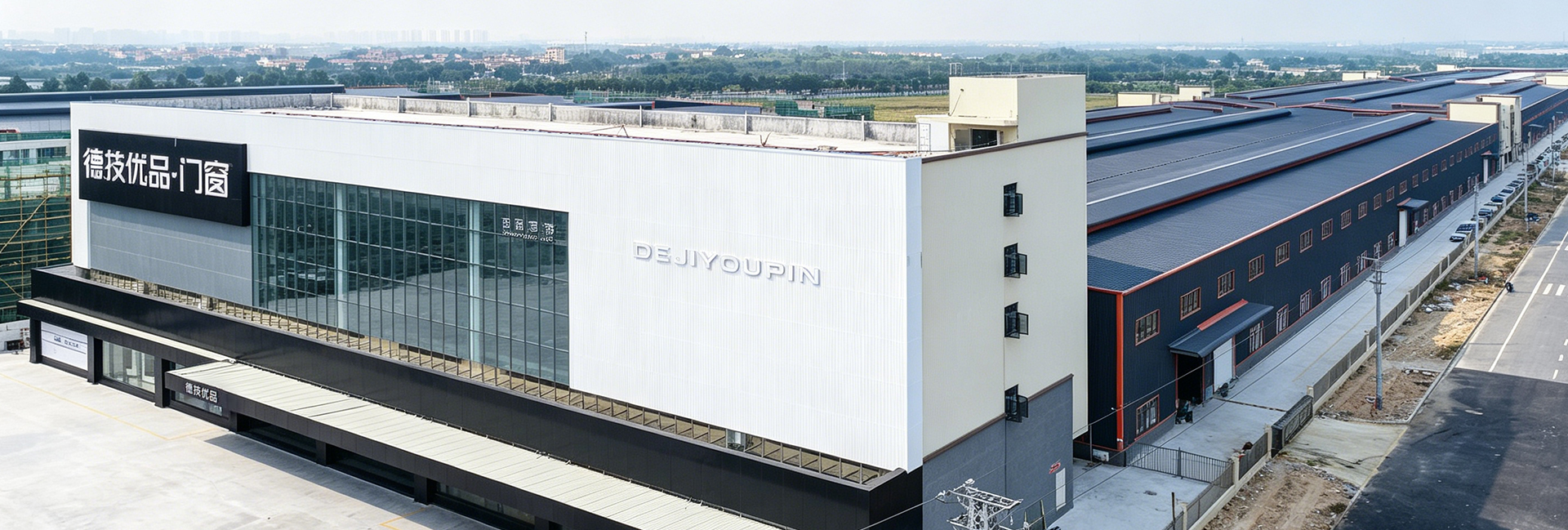
Achieving superior energy efficiency in entry doors requires tight manufacturing tolerances and material integration. Over 25 years of continuous industrial development, Guangdong Derki Doors & Windows Technology Co., Ltd. has established a complete manufacturing chain inside its 180,000 square meter production facility in Foshan.
A. Profile Extrusion & Polyamide Thermal Strip Insertion
Ordinary aluminum is a highly conductive metal with a thermal conductivity of approximately 200 W/mK. To prevent thermal bridging, Derki profile systems use high-precision CNC machinery to insert 24mm to 34mm wide PA66-GF25 (25% glass fiber reinforced polyamide) insulation strips between the exterior and interior extruded aluminum profiles. This structural break reduces profile conductivity down to less than 0.3 W/mK, blocking cold drafts in winter and preventing exterior radiant heat penetration in summer.
B. Insulated Glass Unit (IGU) & Vacuum Glazing Technology
For entrance doors featuring full or partial glass vision panels, Derki utilizes double or triple-pane safety tempered glass assemblies. The glass panes are coated with double-silver or triple-silver Low-Emissivity film, and the internal cavities are filled with 95% concentration Argon gas sealed by warm-edge Technoform spacers. This construction reflects far-infrared heat rays while allowing over 70% visible light transmittance.
C. Surface Treatment for Marine and Coastal Weathering
To resist salt spray corrosion, industrial pollution, and intense UV degradation, Derki entry doors undergo a 9-stage surface pre-treatment process followed by AkzoNobel or PPG Fluorocarbon (PVDF) electrostatic powder spraying. Tested according to AAMA 2605 specifications, these coatings resist chalking, blistering, and color fading for over 25 years, even in challenging coastal environments such as Florida, Australia, and the Middle East.
3. Why Global Importers & Contractors Source from DERKI
Guangdong Derki Doors & Windows Technology Co., Ltd. stands as an industry benchmark for high-end door and window engineering in China. Operating with over 600 skilled technicians, automated CNC processing centers, and an expansive 180,000 m² manufacturing plant, Derki delivers custom factory-direct entrance solutions across North America, Europe, Australia, and Southeast Asia.
- Comprehensive Certification Suite: Fully certified to CE, ISO 9001, AS2047 (N6 Cyclonic Level), and UL Fire-Rated standards. All products pass mandatory code inspections for global tenders.
- 24-Hour CAD & BIM Shop Drawings: Free engineering drawing support for architectural submittals, custom dimensions, hardware matching, and structural anchor detail design.
- Strict Export Crating & Logistics Protection: Wrapped with protective surface film, dense corner guards, and fully enclosed IPPC-certified solid plywood export crates to eliminate transit damage.
- End-to-End One-Stop Procurement: Integrate primary entry doors with matching aluminum windows, interior wooden doors, and sectional automatic garage doors from a single certified factory.
Frequently Asked Questions for Door Importers & Engineers
Technical answers to help buyers evaluate compliance, logistics, thermal performance, and custom options.
How do Chinese thermal break entry doors satisfy local building codes like NFRC, CE, or AS2047?
What thermal break strip width and filling is required for extreme cold or tropical climates?
Can large architectural pivot entry doors achieve high air-tightness and water-tightness ratings?
What is the typical lead time, shop drawing approval process, and MOQ for OEM B2B orders?
How do you ensure hardware durability and smart lock integration into armored security entry doors?
What surface treatment is best recommended for beachfront or high-salinity installation sites?
Upgrade Your Architectural Entrance Systems
Partner directly with China's leading certified energy-efficient entry door manufacturer. Request free CAD shop drawings, factory pricing, and full product specifications today.