Featured Architectural Entrance Collections
Explore certified high-performance entrance systems engineered for commercial high-rises, luxury residential villas, hospitality landmarks, and modern urban developments.
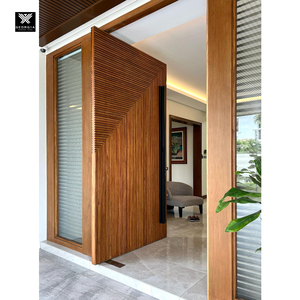
Contemporary Solid Wood Entrance Pivot Door With Geometric Vertical Slat Pattern For Houses Carving Wooden Doors
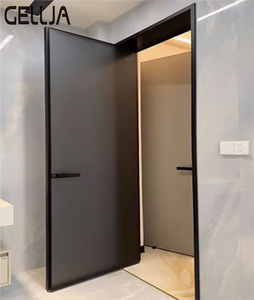
Metal Door Frame Doors Modern Indoor Contemporary Style Aluminium Alloy Showerroom Casement Glass Door Suitable For Hotels
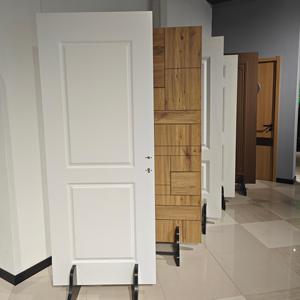
Top Manufacturer Apartment Poly Internal Wood Door Hotel Bedroom Door Plastic Composite WPC Solid Wooden Room Door
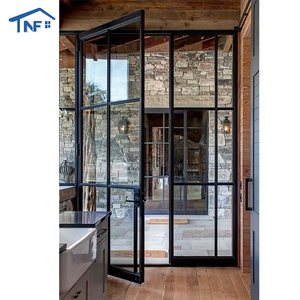
Aluminum Hinged Patio Doors European Standard Double Panels Swing Style Door Modern French Glass Casement Entry Doors
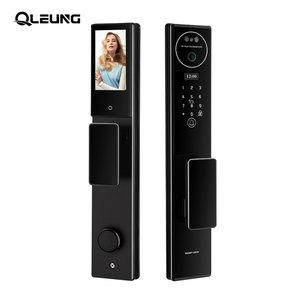
Qleung QL-S555 Luxury Smart Door Lock 3D Face Recognition Password Tuya App Control Video Call Aluminum Alloy Hotels
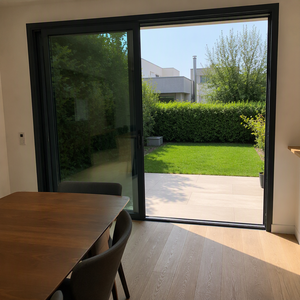
OEM Custom Townhouse Patio Door 2 Panels Airtight Waterproof Multi-Point Lock NFRC CE AS2047 Residential
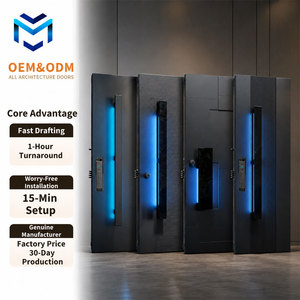
American Soundproof Front Entry Main Exterior Interior Doors Cast Aluminum Security Entrance Steel Pivot Doors With Blue Light
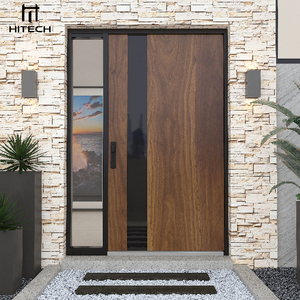
Hitech Modern American Design House Front Pivot Door Large Entrance Modern Entry Door Security Doors For Houses Exterior
Architectural Entrance Door Procurement & Engineering Standards
Selecting premier entrance doors for global architectural developments requires balancing aesthetic grandiosity, structural durability, thermal isolation, and strict regulatory compliance. As modern facades embrace larger glass expanses, oversized pivot spans, and smart access control integrations, the entrance door has evolved from a passive physical barrier into an engineered facade subsystem.
Technical Insight for B2B Procurement Officers: A high-performance entrance door system must satisfy simultaneous structural and thermal constraints. For instance, large-format pivot doors require multi-point locking systems working alongside internal thermal break isolators to prevent thermal bridging while maintaining structural rigidity up to wind loads exceeding 4.5 kPa.
1. Material Engineering: Aluminum Alloy, Cast Aluminum, WPC & Stainless Steel Breakdown
The selection of core raw materials dictates the operational lifecycle and environmental resilience of entrance doors. Top trusted entrance door suppliers and exporters evaluate environmental exposure, traffic density, and structural load requirements prior to extrusion and fabrication:
- Architectural Aluminum Alloy (6063-T6 / 6060-T6): Celebrated for its exceptional strength-to-weight ratio, structural aluminum profiles form the backbone of modern minimalist casement and oversized pivot doors. Polyamide PA66-GF25 (25% glass fiber reinforced nylon) thermal breaks are integrated into the core profile to achieve low U-factors (K-values down to 1.2 W/m²K), blocking solar heat gain in tropical climates and keeping thermal heat indoors in cold regions.
- Cast Aluminum High-Relief Panels: Engineered through vacuum casting processes, cast aluminum doors provide dense structural integrity without the rust vulnerabilities of traditional ironwork. Highly favored for luxury villa gates and high-security building entrances, cast aluminum features 3D architectural reliefs, high impact resistance (IK10 rated), and fluoropolymer PVDF coatings that withstand coastal salt spray for over 30 years without discoloration.
- Stainless Steel Structural Enclosures: For high-traffic commercial environments, hotel lobbies, and security-critical public infrastructure, 304 and 316-grade stainless steel door frames provide maximum tensile strength and forced-entry deterrence. Integrated anti-pry structural ribs and continuous gear hinges prevent frame sag even under heavy daily operational cycles.
- Wood-Plastic Composite (WPC) & Solid Timber Hybrids: Combining natural timber aesthetics with moisture-proof polymer technology, WPC doors offer high dimensional stability for internal hotel bedrooms, apartment corridors, and interior access points where zero swelling and zero termite vulnerability are essential.
2. Emerging B2B Sourcing & Technical Development Trends
The global entrance door export market is experiencing a structural transition driven by net-zero building regulations, smart urbanization, and demand for panoramic architectural designs:
Oversized Architectural Pivot Systems
Architects are increasingly specifying entrance doors exceeding 3 meters in height and 1.8 meters in width. Export suppliers now utilize heavy-duty floor pivots capable of supporting 500kg to 800kg leaf weights with smooth, multi-directional damping control.
Biometric & Tuya IoT Access Integration
Modern entrance doors integrate concealed electro-magnetic locksets, 3D structured-light face recognition sensors, Tuya/Zigbee smart home network connectivity, and encrypted video doorbell systems into the door leaf without compromising thermal performance.
Extreme Weather & Cyclonic Compliance
With increasing climate volatility, importers demand Australian AS2047 N6 ratings, North American NFRC thermal performance ratings, and UL 10C positive pressure fire protection. Advanced EPDM co-extruded triple gasket seals prevent air infiltrations even under hurricane-force rain conditions.
Entrance Door System Specification Comparison
Use this comparative matrix to evaluate key performance indicators across material configurations before specifying doors for project submittals.
| Performance Indicator | Thermal-Break Aluminum | Cast Aluminum Security | Stainless Steel Armor | Glass Casement / French |
|---|---|---|---|---|
| Thermal Transmittance (U-Factor) | 1.2 – 1.8 W/m²K (Low-E) | 1.8 – 2.4 W/m²K | 2.0 – 2.8 W/m²K | 1.0 – 1.6 W/m²K (Triple IGUs) |
| Acoustic Insulation (STC Rating) | 35 dB – 42 dB | 38 dB – 45 dB | 36 dB – 40 dB | 32 dB – 38 dB (Laminated Glass) |
| Wind Pressure Resistance (kPa) | Up to 4.5 kPa (AS2047 N6) | Up to 5.0 kPa | Up to 6.0 kPa | Up to 3.5 kPa |
| Corrosion Resistance Class | AAMA 2605 Powder / PVDF | High-Density PVDF Fluoropolymer | 316 Passivated / Electropolished | Anodized Frame + Low-Iron Glass |
| Security Rating | Multi-Point Locking (RC2/RC3) | Impact Resistant (RC3/RC4) | Anti-Pry Armor (RC4/RC5) | Multi-Point Lock + Laminated Glass |
| Recommended Building Typology | Luxury Villas & High-End Urban Homes | Palatial Estates & Government Gates | Hotels, Financial Institutions & Public Buildings | Showrooms, Hotel Lobbies & Patios |
Guangdong Derki Doors & Windows Technology Co., Ltd.
Headquartered in Foshan, China’s primary aluminum manufacturing cluster, Guangdong Derki operates an integrated 180,000 square meter smart manufacturing base equipped with automated CNC profile machining centers, robotic welding units, and precision powder coating lines.
Full CAD Shop Drawing & BIM Support
Our in-house structural engineering department provides complimentary CAD shop drawings and 3D architectural submittal files based on your project schedule, ensuring zero installation errors on site.
100% Customized Hardware & Finish Control
From German Siegenia and Hoppe multi-point locks to custom-cast brass handles and color-matched AAMA 2605 powder coatings, every single component is tailored to your structural specifications.
Heavy-Duty Export Packaging & Logistics
Export doors are protected with blue protective film, corner impact wraps, waterproof shrink film, and fully enclosed IPPC-certified wooden crates to prevent ocean transit damage.
Frequently Asked Questions by Global Buyers
Find authoritative technical and commercial answers regarding lead times, international certifications, ocean shipping protocols, and custom design approvals.
What technical certifications do your export entrance doors hold for local code approval?
Our entrance door series are rigorously tested to satisfy major global building codes. Key certifications include European CE marking (EN 14351-1), Australian AS2047 N6 (achieving the highest structural wind pressure and water penetration resistance standards), North American UL 10C positive pressure fire testing, NFRC thermal energy ratings, and ISO 9001 quality management compliance. Complete test reports and factory certificates are provided alongside CAD submittals for local building inspector sign-off.
How do you prevent thermal bridging in large metal and cast aluminum pivot doors?
Thermal bridging is prevented by engineering a dual-chamber structural profile separated by Polyamide PA66-GF25 thermal insulation strips. These glass-fiber reinforced nylon strips decouple the exterior metal face from the interior frame, effectively blocking conductive heat transfer. Additionally, door leaves are filled with high-density polyurethane insulation cores (PU foam), achieving U-values as low as 1.2 W/m²K, which prevents surface condensation in humid or freezing environments.
What is the structural weight limit and dimensional threshold for custom pivot doors?
Utilizing high-tensile German hydraulic floor springs and heavy-duty top pivot assemblies, our factory routinely manufactures pivot doors reaching up to 6000mm (20 feet) in height and 2500mm (8.2 feet) in width, with leaf weights supporting up to 800 kg (1760 lbs). Each oversized system undergoes Finite Element Analysis (FEA) to verify frame deflection under wind pressure before fabrication.
Can smart access locks be integrated seamlessly into custom entrance door orders?
Yes. We integrate smart electronic access systems directly into the door profiles during factory assembly. Options include 3D biometric facial recognition, dual-camera video intercoms, Tuya/Zigbee mobile app control, optical fingerprint sensors, and hidden keyless keypads. All wiring channels are concealed within the thermal break profile, maintaining IP65 weather resistance and structural sleekness.
What surface treatments are recommended for coastal or high-humidity regions?
For coastal environments located within 5 km of saltwater bodies, we recommend AAMA 2605 compliant PVDF (Fluoropolymer) liquid coating or high-grade anodized finishes with a film thickness exceeding 25 microns. Cast aluminum doors receive electrophoretic primer sealers prior to topcoat application, guaranteeing resistance against salt fog spray corrosion for over 3000 hours under ASTM B117 testing conditions.
What is the standard production lead time and ocean shipping container protocol?
Standard fabrication lead time is 25 to 35 business days following final CAD shop drawing sign-off and material specification confirmation. For export transport, doors are fully assembled or knock-down packed based on contractor preference, wrapped in anti-scratch protective film, padded with corner guards, and secured inside fumigated ply-wood crates with internal steel strapping for safe ocean container loading (FCL/LCL).
Request Engineering Consultation & CAD Shop Drawings
Send your architectural elevation plans or door schedules to our engineering department. Receive factory-direct quotes, technical submittals, and complimentary CAD shop drawings within 24 hours.