High-Performance Waterproof Aluminum Door Systems
Engineered for architectural distinction, wind-load resistance, and zero water infiltration. Browse our core OEM/ODM entrance and security systems engineered in Foshan, China.
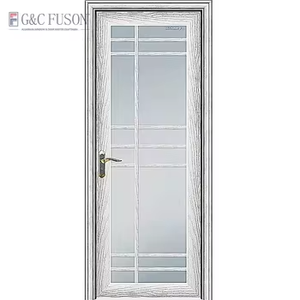
Fuson Soundproof Security Doors Porte Exterieur High Quality Casement Doors
Precision-engineered casement entry door with multi-chamber EPDM weather gaskets, offering STC 45 acoustic dampening and high hydrostatic sealing.
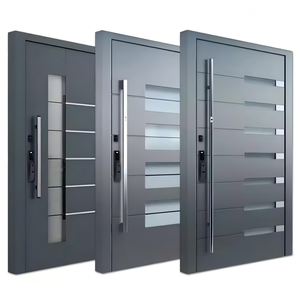
Luxury American Design External Pivot Entrance Door Steel Front Door Double Aluminum Anti-Theft Door
Oversized architectural pivot door featuring reinforced internal steel frame matrix, dynamic pressure sealing, and anti-pry multi-point locks.
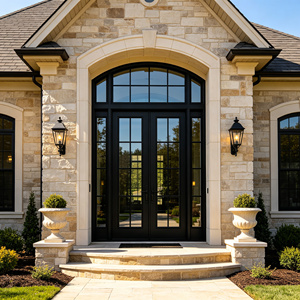
Thermal Break Aluminum Double Entry Door Double Glazed Glass Grand Entrance With Transom
Double-glazed grand entry system with PA66 polyamide thermal barrier, preventing condensation and energy transfer under extreme climates.
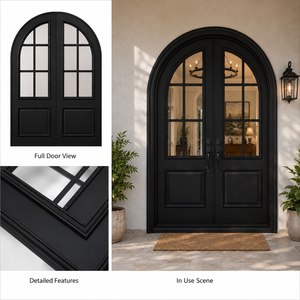
Modern Luxury Arched Double Front Entry Doors Black Solid Wood Exterior Main Entrance Door
Bespoke arched entryway combining structural aluminum reinforcement with weatherproof wood-grain aesthetic finishes and insulated glass grids.
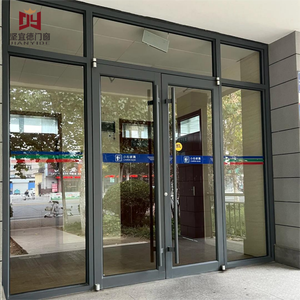
Heavy Duty Commercial Aluminum Entrance Door | KFC Style Windproof Double Glazed Shopfront Door
High-traffic commercial storefront door built with heavy-wall 6063-T6 aluminum extrusion, reinforced floor pivots, and wind-resistant seals.
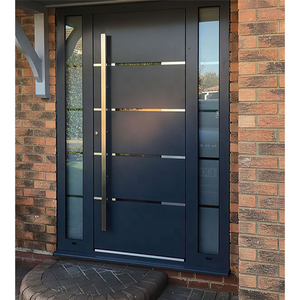
Hot Sale Security Steel Single Gate Door Exterior Metal Security Front Entry Doors for Houses
Corrosion-resistant steel-aluminum composite entry gate offering forced-entry deterrence and weather-tight threshold protection for modern residences.
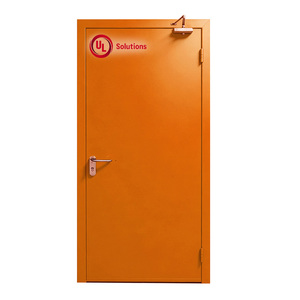
UL 10C Approved Steel Fire Door Equipped With Panic Push Bar, Safety Escape Metal Door
UL 10C certified fire barrier door equipped with heavy-duty panic egress hardware, intumescent fire seals, and smoke leakage resistance.
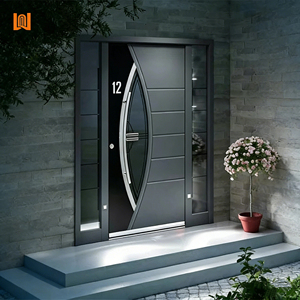
Modern Style Main Entrance Door Aluminum Double Glazed Glass Security Entry Door
High-security bulletproof laminate glazing integrated into ultra-rigid T6 aluminum frame profile with concealed water-drainage slots.
25+ Years of Architectural Door Manufacturing Excellence
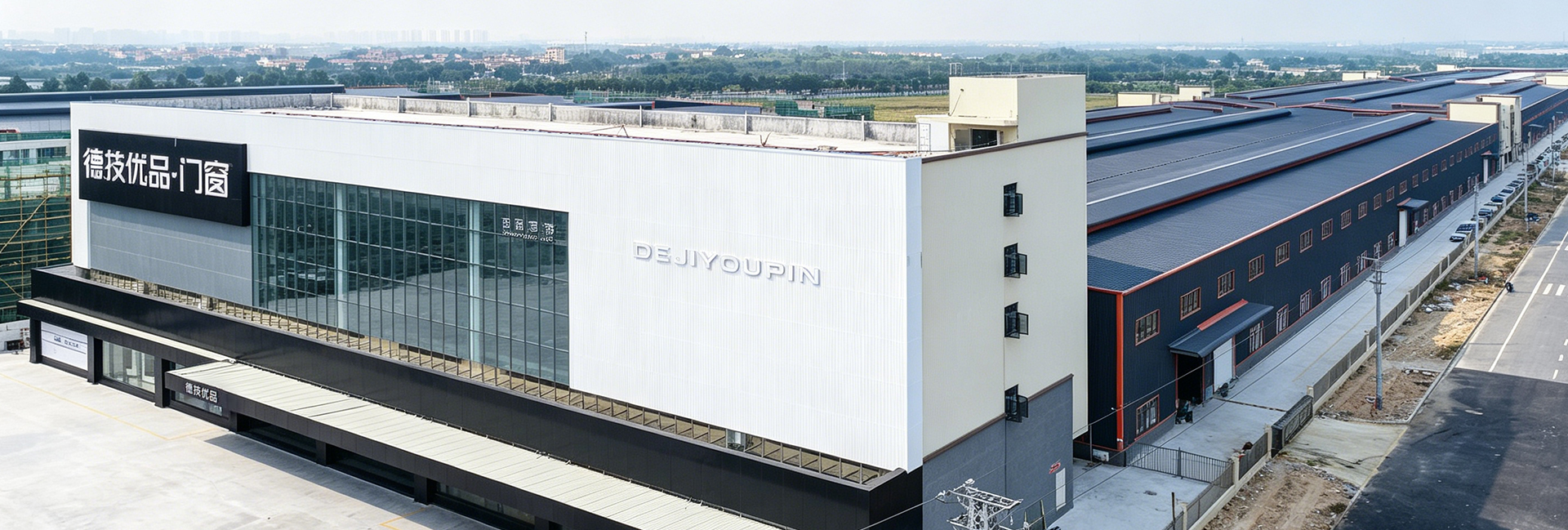
When specifying structural entrance systems for high-end residential estates, commercial complexes, or coastal hospitality developments, water tightness and structural integrity represent non-negotiable performance criteria. Guangdong Derki Doors & Windows Technology Co., Ltd. (operating from a 180,000 square meter automated production base in Foshan, China) has established itself as an authoritative global manufacturer of high-end aluminum, cast aluminum, stainless steel, and glass architectural entry doors.
Unlike standard residential door fabricators, DERKI integrates advanced metallurgical engineering, precision CNC milling, and certified thermal break polymer technology to manufacture door envelopes capable of withstanding severe weather conditions, typhoon-force wind loads, and extreme hydrostatic rain exposure.
Why B2B Importers & Architects Partner with DERKI
From complete technical customization to certified local building code approvals, our factory direct operations remove procurement risk and reduce project schedules.

One-Stop Door Portfolio
Streamline sourcing by procuring aluminum main entry doors, cast aluminum gates, interior wooden doors, and automated garage doors from a single certified factory.

Global Code Approvals
Tested to international standards including AS2047 (N6 wind rating), CE certification, ISO 9001, and UL 10C fire-resistance ratings for effortless project submittals.

Free CAD/BIM Services
Our engineering design office provides complimentary CAD shop drawings and 3D BIM models tailored precisely to your architectural elevation schedules.

Dedicated Project Support
Multi-lingual structural engineers working across global time zones provide seamless communication from quote review to site installation guidance.
Technical Breakdown: Waterproof Engineering in Modern Aluminum Door Systems
Architectural aluminum entry doors are exposed to continuous climatic stress, fluctuating atmospheric pressure, and direct moisture penetration. The water-tightness of an aluminum entrance envelope relies not merely on sealant application, but on systemic mechanical design, pressure equalization, and material science.
1. Multi-Chamber Profile Geometry & Extruded Alloy Integrity
At the core of DERKI's waterproof aluminum door architecture lies high-grade 6063-T6 extruded aluminum alloy. Aluminum profiles are structured with internal multi-chambered geometries. These internal ribs serve dual functions: increasing structural moment of inertia to resist deflection under wind pressure up to 4500 Pa, and creating isolated drainage corridors within the frame itself.
2. Pressure-Equalized Concealed Drainage Channels
In high-wind rainstorms, water ingress occurs when external air pressure exceeds internal frame pressure, forcing water through micro-gaps. DERKI aluminum door profiles incorporate pressure-equalized rainscreen design principles. Outer drainage slots are engineered with anti-backflow gravity caps, allowing trapped surface water to discharge rapidly under gravity while equalizing internal frame pressure with ambient atmospheric pressure, effectively stopping capillary suction.
3. Continuous EPDM Rubber Gasket Matrices & Polyamide Barriers
Unlike lower-tier PVC seals that degrade and shrink under UV exposure, DERKI uses automotive-grade continuous EPDM (Ethylene Propylene Diene Monomer) vulcanized rubber gaskets. Co-extruded around door perimeters and threshold interfaces, these gaskets maintain elasticity from -40°C to +120°C. Coupled with PA66GF25 (25% glass-fiber reinforced polyamide) thermal break strips, our profiles isolate exterior cold/heat from interior surfaces, eliminating condensation runoff that causes internal floor moisture damage.
Performance Specification Comparison Matrix
Understanding material selection tradeoffs is vital for project specifiers. The following technical matrix evaluates four prominent exterior door systems across standardized mechanical metrics:
| System Type | Water Ingress Resistance (ASTM E331) | Wind Load Rating (AS2047) | Thermal U-Factor (W/m²K) | Acoustic Isolation (STC) | Coastal Corrosion Lifespan |
|---|---|---|---|---|---|
| Thermal Break Aluminum | 750 Pa (Pass) | N6 Severe Weather | 1.4 - 1.8 | 42 - 45 dB | 30+ Years (PVDF) |
| Cast Aluminum Solid Panel | 700 Pa (Pass) | N5 High Pressure | 1.6 - 2.0 | 40 - 43 dB | 50+ Years (Rust-Proof) |
| Stainless Steel Composite | 650 Pa (Pass) | N6 Heavy Structural | 2.0 - 2.4 | 38 - 42 dB | 25+ Years (316 Grade) |
| Solid Timber Entrance | 300 Pa (Moderate) | N3 Standard | 2.2 - 2.8 | 32 - 36 dB | 5 - 10 Years (Requires Sealing) |
Future Trends in Architectural Waterproof Aluminum Systems
As global building energy codes tighten and smart building integration accelerates, architectural procurement is pivoting toward three major technological shifts.
Biometric Smart Lock Integration with Automatic Drop-Down Seals
Modern luxury developments increasingly demand handle-less facial recognition and fingerprint access integrated directly into the door sash. Future-ready aluminum entrance systems feature concealed motorized drop-down acoustic and waterproof bottom seals that engage automatically upon electronic deadbolt locking, ensuring a flush zero-threshold sill without sacrificing water tightness.
Ultra-Low U-Value Passivhaus-Compliant Thermal Breaks
With stringent net-zero carbon targets taking effect across Europe and North America, aluminum door manufacturers are engineering triple-glazed, aerogel-insulated thermal break profiles. These advances bring overall door U-factors down below 0.8 W/m²K, matching solid wall insulation values while maintaining floor-to-ceiling glass transparency.
Monolithic Heavy-Duty Pivot Mechanics with Dynamic Pressure Seals
Architectural demand for oversized entrance pivots (exceeding 3 meters in height and 1.8 meters in width) requires specialized floor closer hardware and active perimeter pressure seals. Modern aluminum pivot designs incorporate internal tension rods to prevent panel warping and active inflatable or dual-lip weatherstripping to eliminate wind-driven rain penetration around pivot axes.
Certified to Meet International Building Codes
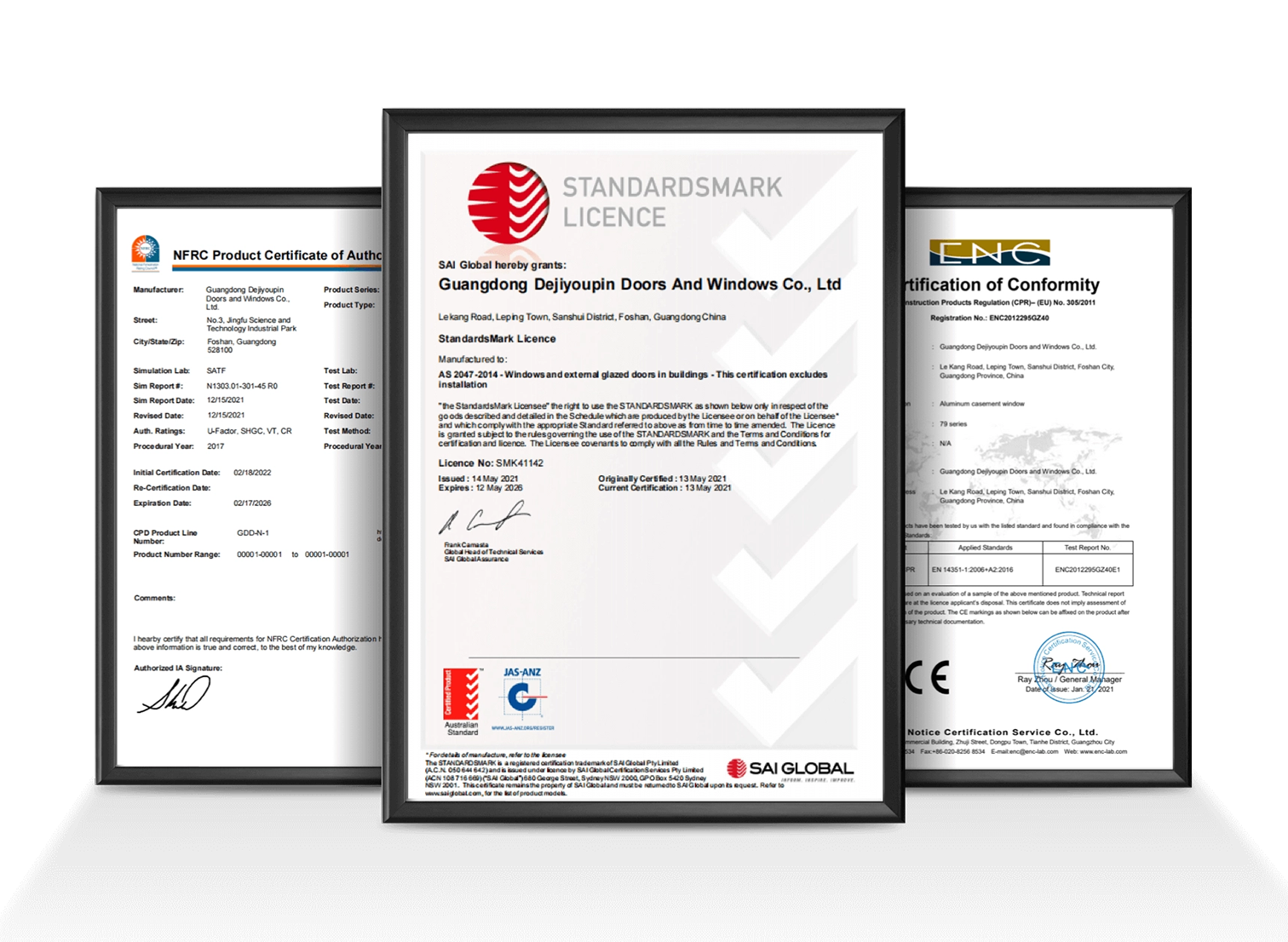
Specifying custom exterior doors for overseas installation requires unyielding adherence to regional regulatory standards. DERKI doors undergo rigorous third-party laboratory testing to ensure every production batch satisfies demanding international project requirements.
Our products hold compliance documentation for AS2047 (Australian Standard for Windows & External Doors in Buildings) up to N6 structural ratings, CE Marking for European Union architectural entry, ISO 9001:2015 Quality Management System Certification, and UL 10C Positive Pressure Fire Tests for emergency egress assemblies.

Frequently Asked Procurement & Engineering Questions
Get authoritative answers to technical questions commonly asked by architectural specifiers, general contractors, and door importers.
What engineering features prevent water leakage in severe hurricane/cyclone coastal zones?
In high-wind and coastal hurricane regions, water penetration occurs when extreme atmospheric pressure forces rain through frame joints. DERKI waterproof aluminum doors incorporate three key barriers: (1) Pressure-equalized outer drainage chambers with gravity-operated anti-backflow valves, (2) Continuous EPDM perimeter gaskets co-molded at corners, and (3) Multi-point locking hardware that exerts active compression along all four sides of the door sash against the frame when locked.
How do thermal break profiles prevent internal frame condensation?
Aluminum is a highly conductive metal. Without a thermal break, cold exterior temperatures rapidly cool the interior door frame, causing indoor ambient humidity to condense into water droplets, leading to floor damage. DERKI uses PA66GF25 polyamide thermal barrier strips to physically separate outer and inner aluminum profile chambers, stopping conductive heat transfer and maintaining interior surface temperatures above dew point.
Can DERKI supply custom CAD shop drawings and 3D BIM models before production?
Yes. Our in-house architectural engineering team provides complimentary, comprehensive CAD shop drawings and 3D BIM models based on your project schedule, rough opening sizes, wind load requirements, glass specifications, and hardware selection. Production commences only after formal sign-off from your project architect or engineering team.
What surface treatments are recommended for coastal high-salinity environments?
For installations within 5 kilometers of ocean coastlines, we recommend Fluorocarbon PVDF (Polyvinylidene Fluoride) coating or 25-micron anodized surface finishes. PVDF coating resists salt spray corrosion (passing 3,000+ hour ASTM B117 salt fog testing), UV chalking, and chemical erosion, guaranteeing color retention and film integrity for over 25 years.
How are heavy aluminum and cast aluminum doors packed for international ocean freight?
Every custom door undergoes multi-stage export packaging: (1) Protective surface film to prevent scratch damage, (2) Shock-absorbing foam corner guards, (3) Sealed moisture-proof vacuum wrapping, and (4) Fumigation-free ISPM 15 compliant fully enclosed plywood wooden crates with internal steel strapping to prevent movement during container transit.
Do your waterproof aluminum doors support third-party smart access control systems?
Yes. Our aluminum frames can be precision CNC-milled to integrate fully with leading global smart access systems, including motorized multi-point mortise locks, electric strikes, biometric keypads, magnetic card readers, and home automation systems while maintaining full weather seal integrity.
Request Free Architectural CAD Shop Drawings & Factory Quotation
Whether you are sourcing custom waterproof entrance doors for a luxury villa project or managing a large-scale commercial development, our engineering team is ready to assist with technical specifications and factory-direct pricing.