High-Performance Commercial Entrance Doors
Certified aluminum alloy, cast aluminum, steel, and structural glass entrance systems manufactured in our 180,000m² facility for global project delivery.
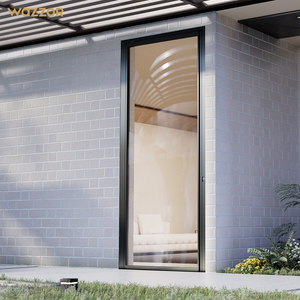
WAZZOR NFRC Certified High Load Bearing Aluminum Glass Pivot Door for Luxury Villa Entrance
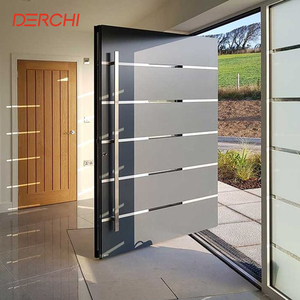
DERCHI USA Exterior Residential Aluminum Security Doors Hurricane Impact Heat Insulated Steel Glass Front Entry Doors
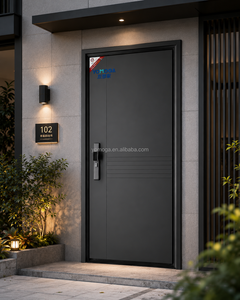
Modern Waterproof Soundproof Steel Pivot Front Entry Door Chinese Exterior Security Main Entrance Door for Apartment Hotel
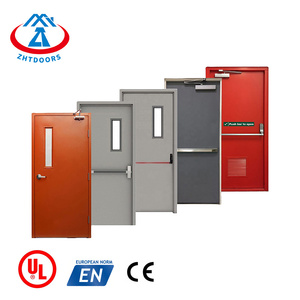
Emergency Exit 3 Hours Panic bar Fire Rated Steel Doors
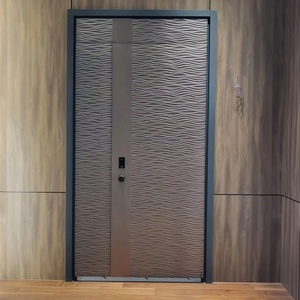
Custom Modern Design Cast Aluminum Alloy Security Main Entrance Hurricane Impact Waterproof Soundproof for Exterior Application
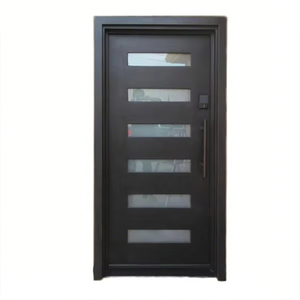
Houses Exterior Modern Casement Door Aluminum Entry Doors Exterior Security Doors
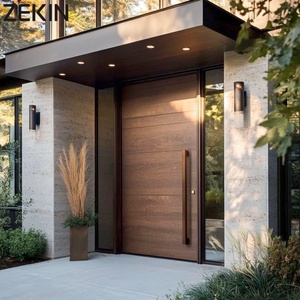
ZEKIN Modern American Design House Heat Insulation Fire Prevention Luxury Entrance Pivot Door House Front Entry Doors
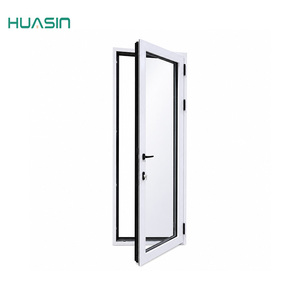
Huasin Customized Modern Design Lowe Double Tempered Glass Sound Heat Insulation Swing Aluminum Casement Door
Commercial Aluminum Door Procurement Strategy for the Chicago Metropolitan Market
The Chicago commercial real estate landscape—spanning high-density Loop office towers, historic Michigan Avenue storefronts, West Loop mixed-use developments, and expansive O’Hare logistics hubs—presents one of the most microclimatically and code-demanding architectural environments in North America. Selecting commercial aluminum door manufacturers and exporters requires far more than aesthetic evaluation; it demands rigorous engineering alignment with Chicago Energy Conservation Code (IECC Climate Zone 5A), stringent wind-load structural requirements (ASCE 7-16), severe freeze-thaw cycle endurance, and heavy foot-traffic hardware longevity.
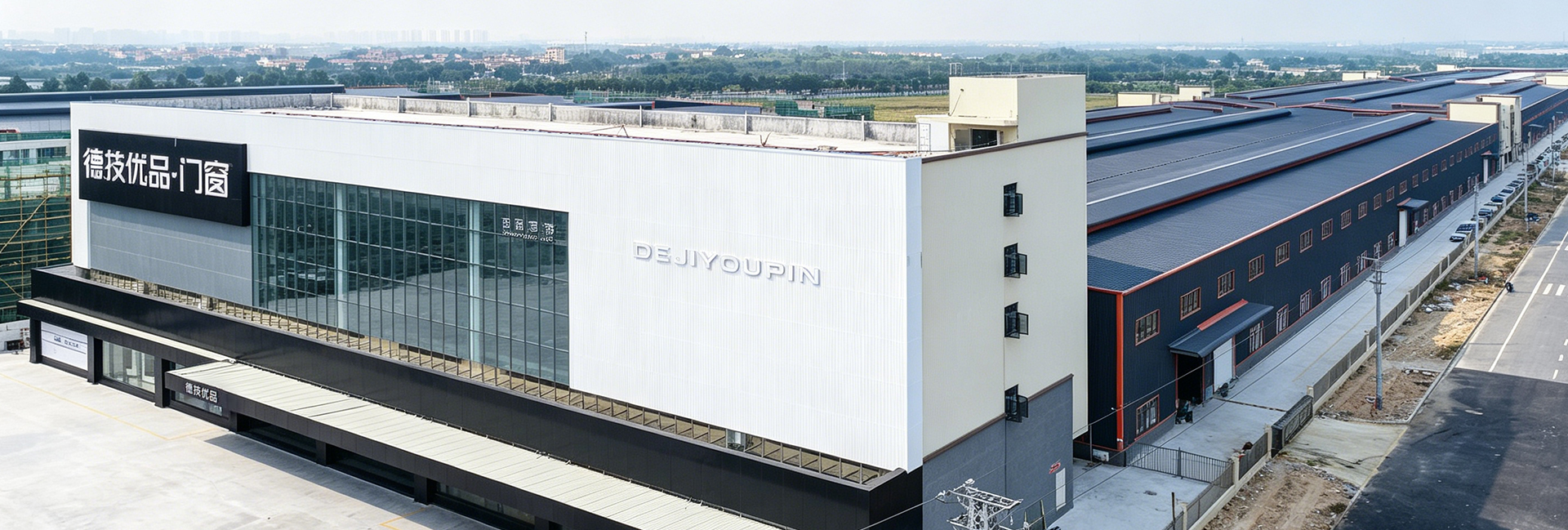
As a global leader in architectural envelope manufacturing, Guangdong Derki Doors & Windows Technology Co., Ltd. (operating globally as DERKI Entry Door) provides direct factory-engineered commercial aluminum entrance systems tailored specifically for U.S. general contractors, commercial developers, fenestration distributors, and architectural firms. This whitepaper establishes the engineering standards, code compliance criteria, thermal performance metrics, and export logistics required to successfully specify and import commercial aluminum doors for Chicagoland construction projects.
1. Critical Engineering Standards for Chicago Commercial Doors
Building envelope components in Greater Chicago are exposed to sub-zero polar vortex winter temperatures (reaching down to -20°F), high lake-effect thermal humidity, intensive summer ultraviolet rays, and aggressive winter de-icing salt spray. Commercial aluminum entry systems must be engineered around three core physical pillars:
A. Thermal Break Architecture & IECC Zone 5A Energy Compliance
Standard non-thermal aluminum profiles act as direct cold bridges, resulting in severe interior frost accumulation, moisture condensation, and high HVAC energy loss. For Chicago commercial submittals, DERKI utilizes structural Polyamide 66 reinforced with 25% Glass Fiber (PA66GF25) thermal barrier strips. These multi-chambered thermal breaks isolate the exterior aluminum extrusion from the interior section.
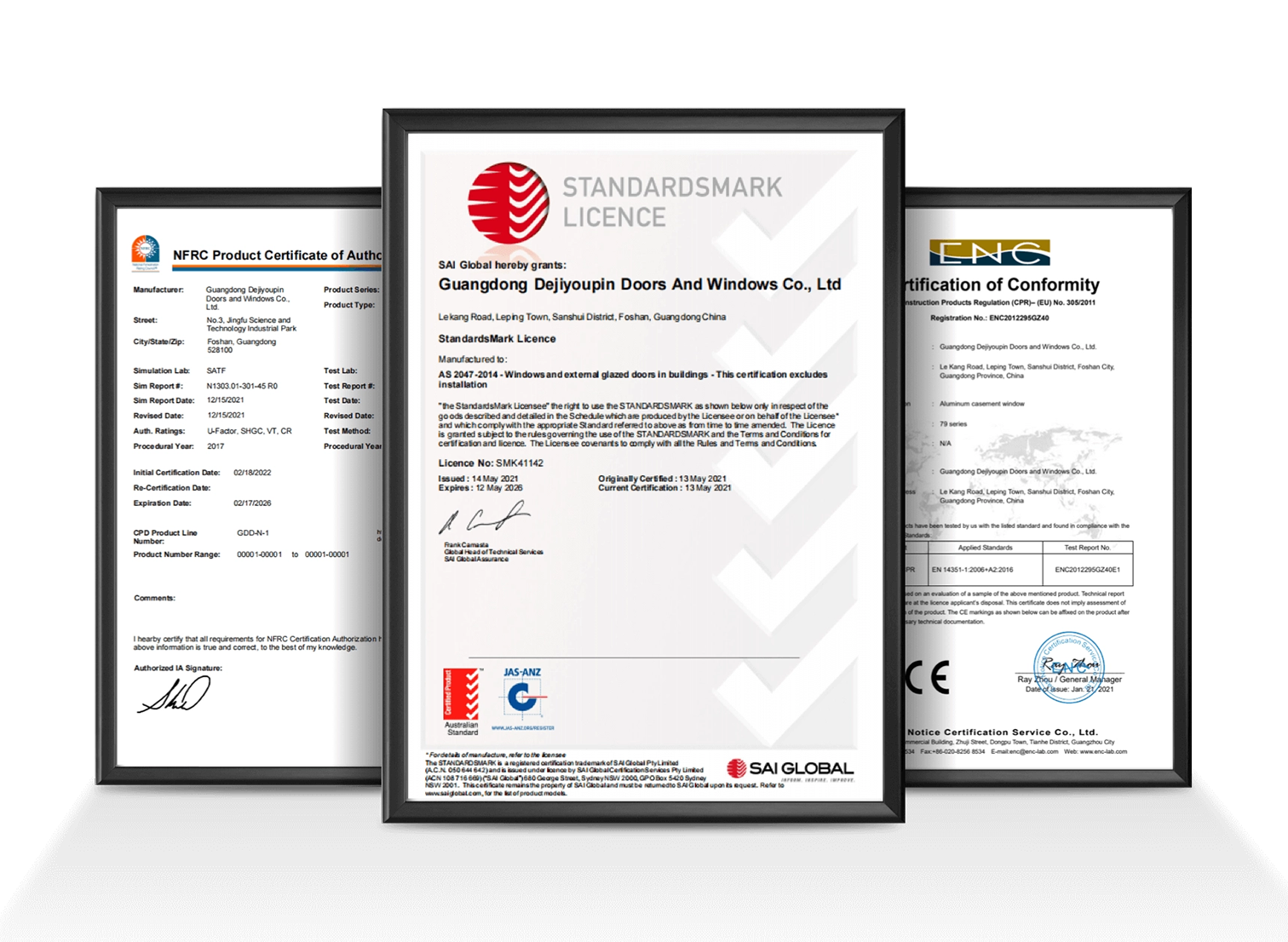
Technical Information Gain: Under NFRC 100/200 testing standards, DERKI’s thermal-break commercial aluminum doors achieve overall assembly U-factors as low as 0.24 to 0.32 BTU/h·ft²·°F when combined with double-chamber Argon-filled Low-E insulated glass units (IGU). This comfortably surpasses Chicago Energy Conservation Code minimum thresholds.
B. Structural Wind-Load Capacity & Pressure Equalization (ASCE 7-16)
Known as "The Windy City," Chicago experiences extreme localized wind pressure vectors, particularly around high-rise urban canyons along Wacker Drive and Lake Shore Drive. Commercial entrance doors must withstand high design pressures (DP60 to DP90+). DERKI's heavy-duty commercial profiles utilize 6063-T6 and 6061-T6 structural aluminum alloys with wall thicknesses ranging from 2.5mm to 4.0mm. Frame joints feature internal corner keys engineered for high torque and deflection resistance under ASTM E330 testing.
C. Corrosion Mitigation against De-Icing Salts & Freeze-Thaw Cycles
Sidewalk snow-melting agents—primarily calcium chloride and rock salt—create an aggressive electrochemical environment at the base of entrance doors. Standard architectural paint coatings degrade within 24 to 36 months, leading to filiform corrosion. DERKI applies high-performance surface finishes compliant with AAMA 2605 (70% PVDF Fluoropolymer coatings) or AAMA 611 Class I Anodizing (25+ micron thickness). These coatings guarantee salt spray resistance exceeding 4,000 hours under ASTM B117 testing.
2. Comparative Technical Matrix: Commercial Door Systems
Choosing the correct structural alloy and door configuration depends on foot traffic, structural span, security requirement, and architectural style. Below is a engineering comparison for Chicago commercial submittals:
| System Classification | Thermal Performance (U-Factor) | Structural Load (ASTM E330) | Acoustic Rating (STC) | Corrosion Resistance Grade | Primary Chicago Commercial Fit |
|---|---|---|---|---|---|
| PA66 Thermal Break Aluminum | 0.24 - 0.32 BTU/h·ft²·°F | DP60 - DP90 PASSED | STC 38 - 45 dB | AAMA 2605 PVDF / Class I Anodized | Luxury Multi-Family, Corporate Offices, Boutique Hotels |
| Heavy Cast Aluminum Alloy | 0.30 - 0.36 BTU/h·ft²·°F | DP80 - DP100 PASSED | STC 40 - 46 dB | Fluoropolymer Multi-Layer Coating | High-End Commercial Entrances, Flagship Retail, Estates |
| UL Fire-Rated Steel & Glass | 0.35 - 0.42 BTU/h·ft²·°F | DP70 - DP90 PASSED | STC 42 - 48 dB | Hot-Dip Galvanized + Powder Coating | Emergency Exits, Hotel Service Corridors, Fire Walls |
| Frameless / Slim Glass Entrance | 0.45 - 0.55 BTU/h·ft²·°F | DP40 - DP50 PASSED | STC 32 - 36 dB | 316 Stainless Trim / Anodized Aluminum | Interior Showrooms, Mall Entrances, Heated Vestibules |
3. Chicago Local Application Scenarios & Architectural Integration
Commercial entrance doors imported for the Chicagoland market must serve distinct functional roles depending on geographic placement and building typology:
Scenario A: Downtown Loop & River North High-Rise Storefronts
High-density foot traffic along busy pedestrian corridors requires continuous-duty entrance hardware capable of surviving millions of opening cycles per year. DERKI equips high-traffic aluminum swing doors with heavy-duty continuous gear hinges, concealed floor springs (Dorma/LCN compatible), and ANSI/BHMA Grade 1 panic egress bars. Integrated perimeter drop-down bottom seals prevent cold wind drafts during winter months.
Scenario B: Fulton Market District Boutique Hotels & Hospitality
The urban aesthetic of Fulton Market favors industrial-chic and modern luxury designs. Oversized aluminum pivot entry doors measuring up to 12 feet in height create dramatic architectural statements. DERKI’s pivot systems incorporate German-engineered heavy-load pivot hinges capable of supporting door leaves weighing over 1,100 lbs (500 kg) with fingertip operational effort and fully concealed hydraulic self-closing mechanisms.
Scenario C: High-End Multi-Family Residential Entrances (South Loop & Streeterville)
Multi-family developments prioritize security, thermal efficiency, and sound isolation. Dual-pane laminated Low-E glass integrated into thermal break aluminum profiles blocks street noise (achieving STC ratings up to 45 dB) while offering impact-resistant security glass that deters forced entry.
4. Code Compliance Deep-Dive: Life Safety, ADA, and UL Fire Ratings
Procuring foreign commercial doors for U.S. construction requires strict adherence to local building code submittals. DERKI provides full English-language CAD engineering packages and official testing submittals to streamline approval by the Chicago Department of Buildings (DOB):
- UL 10C & NFPA 252 Fire-Rated Entrances: For rated stairwells, elevator lobbies, and commercial partitions, DERKI supplies 60-minute, 90-minute, and 180-minute fire-rated steel and specialty glazed doors fitted with fire-ceramic safety glass and intumescent expansion seals.
- ADA Accessibility Compliance (Chapter 11, IBC / Chicago Building Code Title 14B): All commercial swing and pivot doors feature low-profile bevel thresholds (height $\le 1/2"$) to allow barrier-free wheelchair transit, alongside clear opening widths exceeding 32 inches.
- NFRC & AAMA Testing Documentation: Every export order includes factory test reports for U-factor, Solar Heat Gain Coefficient (SHGC), Visible Transmittance (VT), and structural wind deflection.
5. Supply Chain Efficiency: Direct Manufacturer Sourcing & Quality Control
By eliminating intermediary trading companies, general contractors and developers working with DERKI gain direct access to factory pricing, bespoke engineering modifications, and full quality accountability.
Factory Strength Advantage: With a 180,000 m² manufacturing campus, over 600 skilled technicians, and 50+ dedicated fenestration engineers, DERKI processes commercial door schedules with rapid lead times (20–30 days production cycle) and precision CNC fabrication tolerance within $\pm 0.5\text{mm}$.
Export Packaging & Ocean Logistics to Chicago
Shipping large-format glass and aluminum assemblies across ocean routes to U.S. ports demands specialized containerization. DERKI packages every commercial door unit using a multi-layer protective protocol:
- Surface protection film applied across all anodized/powder-coated aluminum profiles.
- High-density corner guards to prevent transit impacts.
- Fully enclosed, fumigated solid plywood export crates with interior shock-absorbing foam padding.
- Direct container loading from our factory floor to Chicago intermodal rail yards (via West Coast ports of Long Beach, Seattle, or Vancouver) or all-water shipping routes via the Saint Lawrence Seaway.
6. Chicago B2B Buyer FAQ: Technical & Procurement Queries
Accelerate Your Chicago Commercial Project
Submit your door schedule, project elevations, or architectural drawings. Our senior engineering team will return comprehensive technical recommendations, factory-direct quotes, and CAD shop drawings within 24 hours.